
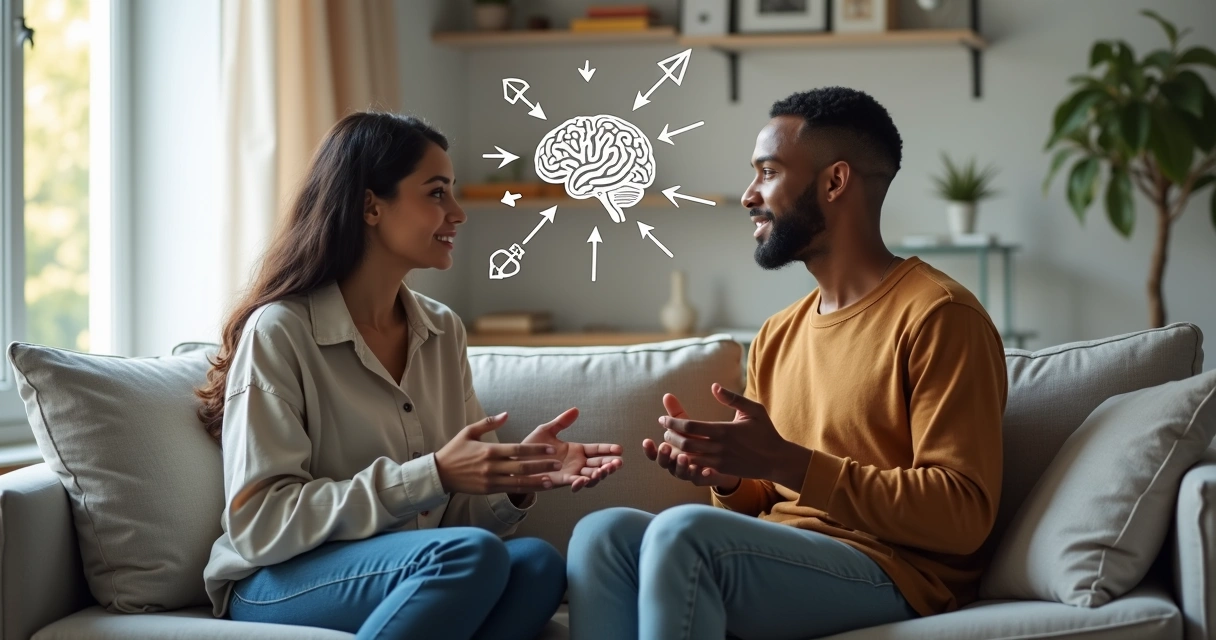
When we think about relationships, we often picture emotions, gestures, and words quietly weaving together. Yet, beneath the surface, patterns run deep—shaped by our histories, beliefs, and the science of behavior. Behavioral science offers us a map to see these unseen patterns and understand why we act, connect, and sometimes struggle the way we do alongside others. In our experience, a few findings in this field still surprise even the most self-aware among us. Here, we share six insights that may shift how we view and build our relationships, both romantic and otherwise.
Why behavior matters more than intention
Most of us like to think our intentions are clear and our love shows. But relationships are built on what we do, not just what we feel or think. Often, we fall into the trap of judging ourselves by our intentions but judging others by their actions.
People remember what you did, not what you planned to do.
Behavioral science suggests that even the smallest consistent actions speak louder than heartfelt promises. A couple that says "I love you" every day but then does not show up for each other in tough moments will experience distance. On the other hand, simple, repeated acts of kindness—like making coffee, listening deeply, or supporting during stress—create a sense of trust and safety.
The challenge, of course, is that we are not always conscious of our behaviors, especially under stress or fatigue. By putting intentional focus on our daily actions, we encourage healthier cycles. For those curious, more on patterns in behavior can be found within our collection about behavioral science.
Unconscious scripts guide our choices
Each of us carries invisible "scripts" shaped by our upbringing, culture, and early relationships. These scripts guide our reactions, both positive and negative. Sometimes, we resist them and end up repeating the patterns anyway, asking, "Why did I react that way again?"
Behavioral science reveals that our unconscious scripts shape how we respond to love, frustration, and disagreement. For example, someone who grew up in a family where conflict meant yelling may find calm, direct discussion about problems unfamiliar—even threatening. Another person raised with avoidance may freeze or withdraw during conflict, seeing it as dangerous.
A key step is recognizing our unique scripts and sharing this insight with those close to us. Naming old patterns together, with kindness, opens the door for new choices. Just a single conversation can shift years of automatic habits.
The power of small signals and micro-moments
We often believe that big gestures or passionate declarations keep relationships alive. However, research on micro-moments—those tiny interactions throughout the day—shows they matter just as much, if not more.
Examples include:
- Making eye contact when your partner enters the room
- Responding to a friend's text instead of ignoring it
- Choosing to listen without distraction for just one minute
- Smiling or touching a loved one's hand unexpectedly
Micro-moments like these are easy to overlook, yet they add up quickly, creating a foundation of trust and warmth. It is often these consistent micro-moments that define how valued, seen, and safe we feel with another person.

We sometimes notice how powerful these tiny signals are only after they vanish. In our view, focusing on these moments is a simple, science-backed way to strengthen any relationship.
Conflict patterns are predictable—and changeable
Many people fear conflict. Yet, behavioral studies indicate that the pattern of conflict, not the conflict itself, predicts relationship satisfaction.
We have observed that what matters most is not whether people argue, but how they repair after disagreements. Some conflict patterns, like blame-avoidance, defensiveness, or stonewalling, create growing resentment. Others—marked by curiosity, honest apologies, and humor—help both sides grow closer.
If we become aware of our default conflict mode, we can experiment with new responses. For example, gently pausing when emotions rise, or expressing vulnerability about why an issue matters to us. Over time, these shifts can transform fights into opportunities for growth.
Emotional clarity makes or breaks trust
One of the most surprising insights is that relationship health hinges on our ability to identify, understand, and communicate our own feelings. Emotional clarity is often the missing link between intention and connection.
When someone cannot express their true needs or emotions, misunderstandings multiply. We have noticed this not only in couples but also in friendships, families, and even professional partnerships. Learning to tune in and state clearly, "I feel anxious," or "I need reassurance," removes guesswork and tension for others.
Cultivating emotional clarity requires slowing down, self-reflection, and honest conversation. You can read more on the idea of emotional self-awareness and its impact in our series about emotional maturity.
Values alignment outweighs surface compatibility
It's common to seek friends or partners who share our hobbies, profession, or tastes. But behavioral research consistently points toward a different predictor of long-term satisfaction: shared values.
What we stand for runs deeper than what we do for fun.
Values alignment shapes decisions, priorities, and the way life choices are made together. If partners align deeply on values like kindness, honesty, or growth, they can better weather changes in circumstance or preference. Similarly, in professional or community relationships, values guide how teams manage setbacks, celebrate wins, and uphold accountability.
Checking in on values—through simple conversations or shared reflection—supports more stable and fulfilling connections. If you’re interested in this theme, see our section on human values for further reading.
Shifting awareness brings more conscious connections
Perhaps the most empowering insight is that awareness is not fixed. As people, we can choose to become more conscious—of ourselves, of each other, and of the effects our actions create. Higher awareness moves us out of autopilot and toward relationships that feel alive and real.
In practice, this means reflecting on questions like:
- What patterns am I repeating in my closest bonds?
- Do my behaviors match my intentions?
- How am I contributing to the quality of my relationships?
This process is not a one-time event, but an ongoing commitment. As we bring more awareness to our connections, we build depth, understanding, and purpose. For those wishing to look further, our section on consciousness and keyword search for relationships offer more steps on the journey.
Conclusion
Behavioral science reminds us that thriving relationships do not require grand gestures or perfect words. Instead, they flourish through everyday choices, honest self-inquiry, and steady attention to the details that matter most. When we take responsibility for our actions, question unconscious patterns, invest in small moments, repair conflict, clarify emotions, align on values, and bring greater awareness, we create connections that can adapt and grow. These six surprising insights invite us to build conscious, meaningful, and lasting relationships, step by step.
Frequently asked questions
What is behavioral science in relationships?
Behavioral science in relationships studies how and why people act the way they do with others, focusing on patterns and habits that shape bonds, communication, and well-being. It uses psychological and social research to help us understand how to create healthier, more conscious interactions.
How can behavioral science improve relationships?
By making us more aware of our daily actions, automatic responses, and emotional habits, behavioral science provides tools to change old patterns, respond to conflict with maturity, and communicate needs clearly. These small changes can lead to deeper trust, understanding, and satisfaction in every relationship.
What are the six key insights?
The six insights we covered are: 1) Actions matter more than intentions, 2) Unconscious scripts influence our choices, 3) Tiny daily signals build trust, 4) Conflict patterns predict relationship quality and can be changed, 5) Emotional clarity supports honest connection, and 6) Shared values hold relationships together longer than shared interests.
Is it worth it to use these tips?
Applying these insights can help anyone strengthen their relationships, feel more understood, and grow as a person. While results may take time and effort, making even small shifts in awareness or behavior often brings positive changes that ripple into other areas of life.
Where can I learn more about this?
For more on using behavioral science in your relationships, you can read additional resources in our sections about behavioral science, emotional maturity, human values, and consciousness, or search directly for relationships on our platform.