
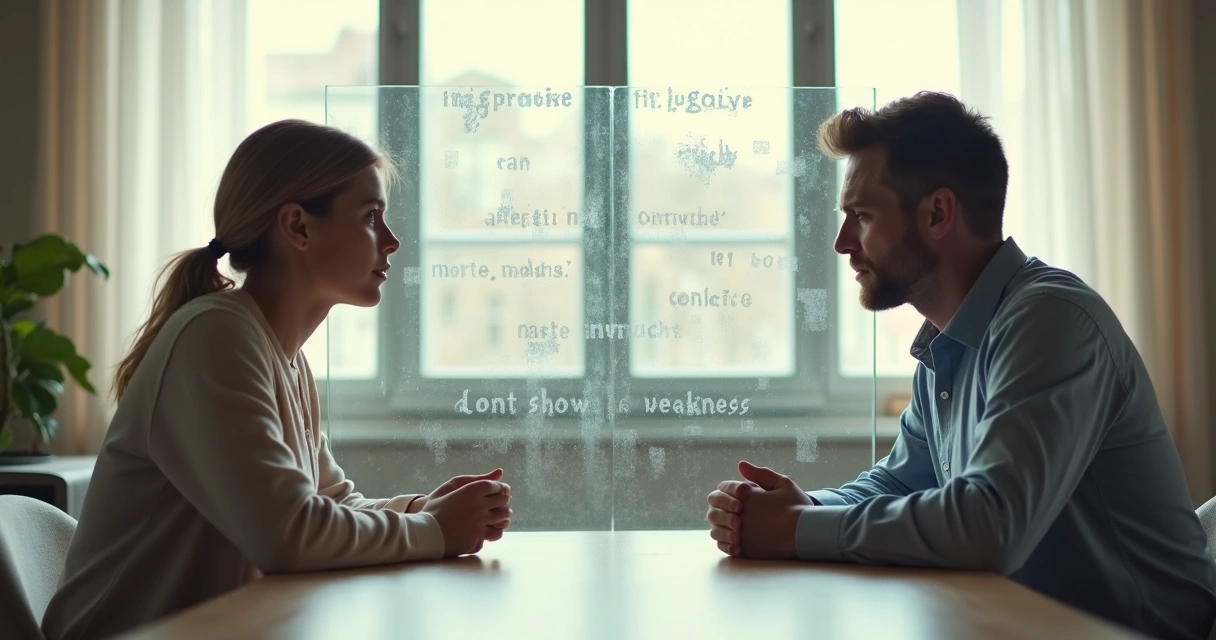
We have all faced moments when words felt stuck, filtered, or softened—moments when honesty took a step back. Most people long for sincere conversations, yet find themselves unintentionally holding back or reshaping their messages. Why do we do this? In our experience, a powerful influence often goes unnoticed: our unconscious beliefs.
These beliefs, hidden just beneath our awareness, shape our intentions, our words, and even the tone we choose when interacting with others. They can protect us from discomfort, rejection, or conflict, but they can also block the flow of truth, create misunderstandings, and keep us from building trustful relationships.
Understanding unconscious beliefs
Unconscious beliefs are assumptions or perceptions we absorb early in life, often without recognizing them. They are the silent drivers in our minds, formed by family interactions, cultural expectations, personal experiences, and even comments overheard as children. Over time, they settle in as silent guides, shaping how we interpret and interact with the world.
We have observed that these beliefs can feel like invisible rules or truths, prompting us to choose safety over honesty. While they may have once helped us adapt or belong, as adults, they can freeze us into patterns that do not serve us or our relationships anymore.
Beliefs hidden from sight can still shape every word we say.
The most common unconscious beliefs blocking honest conversation
There are some recurring themes in the unconscious beliefs that prevent sincere communication. In discussing this, we want to share the ones we meet most often, and what they sound like inside the mind:
- Fear of rejection: “If I am truly honest, others won’t accept me.”
- Desire to please: “It is safer to say whatever keeps the peace, even if it means hiding my real thoughts.”
- Belief that conflict is dangerous: “If I speak up, things will go badly or people will get hurt.”
- Assumption of not being valued: “What I say does not matter.”
- Learned helplessness: “Even if I try to be honest, nothing will really change.”
- Confusion between honesty and rudeness: “Being honest will make me a bad person.”
These beliefs often operate without direct awareness. We may catch ourselves saying, “I just didn’t want to make things worse,” or “It’s not worth it”—expressions that point to the deep roots of these patterns.
How unconscious beliefs form and persist
The path leading to these silent assumptions is almost always emotional. As children, we sense which behaviors earn love, attention, or safety and which seem to cause trouble. Sometimes it’s a harsh reaction to genuine self-expression; other times, it is gentle but constant pressure to conform.
Schools, workplaces, and cultural values reinforce the habit. We get praise for being polite, calm, or agreeable, but are rarely shown how to navigate tough conversations openly and kindly.

We learn without words that sharing openly may lead to criticism, judgment, or feeling isolated. Over the years, the mind starts to view honest communication as risky, unless the “coast is clear.”
Signs that unconscious beliefs are in control
It is possible to miss the mark completely and not realize a belief is running the show. We have found that the following are frequent signals of hidden beliefs blocking honesty:
- You feel nervous, tense, or blank at the thought of sharing your true opinion.
- There’s an automatic rush to soften, twist, or delay your message.
- You notice patterns of avoiding direct answers, especially in group settings.
- After conversations, you replay them, wishing you had told the truth.
- You depend on humor, silence, or compliments to redirect the conversation.
If any of these feel familiar, there may be an unconscious belief beneath the surface, quietly shaping what is possible in your relationships or your work life.
Impact on relationships and self-worth
When unconscious beliefs take control, the result is often distance. Connections lose their strength because the truth is missing. People might feel misunderstood, resentful, or even lonely in the presence of others.
Perhaps even more quietly, these beliefs can turn inward. A person who avoids honest communication may start to believe their own voice does not matter. Over time, this can lead to a broader loss of confidence and a cycle that keeps repeating with each new interaction.
Silent beliefs create silent barriers.
We have also seen that communication influenced by fear or guilt can lead to misunderstandings and even conflict—the very result these beliefs attempted to avoid. The longer these patterns continue, the more automatic they become, until even simple honesty feels difficult.
Approaches to changing unconscious beliefs
The first step to change is awareness. Recognizing that we are guided by invisible scripts is a turning point. Once we see the pattern, we can begin to question whether it really belongs to us, or whether it is simply a habit from long ago.
Some practical steps for addressing these patterns include:
- Pausin in moments of discomfort, noticing what we believe will happen if we speak honestly.
- Identifying the earliest memory of a similar feeling. Was there a moment when honesty felt dangerous, or silence was seen as best?
- Exploring the emotions behind the belief: Is it fear, shame, wanting to be accepted, or something else?
- Testing the belief by sharing honestly in small, safe contexts, noticing the response.
- Learning more about emotional maturity and human values to build an internal sense of safety and self-worth, regardless of others’ reactions. For this, exploring subject areas like emotional maturity and human values can be helpful.
Developing a new communication mindset
It is possible to shift these beliefs and build a healthier, more honest dialogue with others. Through reflective practices, opening up gradually, and seeking feedback, we can create new experiences that overwrite old assumptions.

We have found that the journey toward authentic communication can bring unexpected rewards. Trust grows. Misunderstandings are reduced. Genuine connection replaces the awkwardness of unspoken worries. Each time we choose to challenge an old belief, we gain confidence that honesty can be handled, both by ourselves and by those we care about.
For those interested in related frameworks, there are deeper insights available in areas such as consciousness studies and behavioral science. These resources can offer more understanding of how patterns shape our words and choices, and how awareness leads to new possibilities.
Finally, we encourage ongoing curiosity and self-reflection. When questions arise or if you want to search for additional resources on honest communication and belief systems, use the site search for more guidance.
Conclusion
Honest communication is less about mastering techniques and more about uncovering what stands in its way. Unconscious beliefs, shaped long ago, linger beneath the surface and guide our words without our knowing. By shining a light on them, we open new paths for trust, courage, and authentic connection. The journey starts with a question: What belief whispers in my ear when I decide to stay silent? In our experience, the answer can open the door to change, not just for ourselves, but for everyone we meet.
Frequently Asked Questions
What are unconscious beliefs in communication?
Unconscious beliefs in communication are the automatic, hidden assumptions that influence how we speak and listen without our direct awareness. They originate from past experiences, cultural messages, and family interactions, shaping how we express ourselves and respond to others.
How do these beliefs affect honesty?
Unconscious beliefs often prompt us to edit, soften, or withhold our true thoughts and feelings. This happens because the belief tells us that honesty might lead to conflict, rejection, or discomfort. When these beliefs go unexamined, they become a filter that limits how open and direct we can be in our communication.
How can I identify my unconscious beliefs?
You can start by noticing places where you consistently avoid sharing your real opinion or feel tension before speaking honestly. Reflect on what you fear or expect in those moments. Journaling about situations where you felt unable to speak openly can also help bring these beliefs to the surface for review.
Can unconscious beliefs be changed?
Yes, unconscious beliefs can be changed. The process begins with awareness and questioning whether the belief is still helpful. Gradually introducing honest communication in small steps, reflecting on the results, and seeking feedback can help to shift old habits into new, healthier patterns.
What are common beliefs blocking honesty?
Common unconscious beliefs that block honesty include fear of rejection, the desire to please others, the idea that conflict is always negative, the belief that one’s voice does not matter, and the expectation that telling the truth will cause harm. These beliefs often operate in the background and can take time and reflection to uncover and transform.