
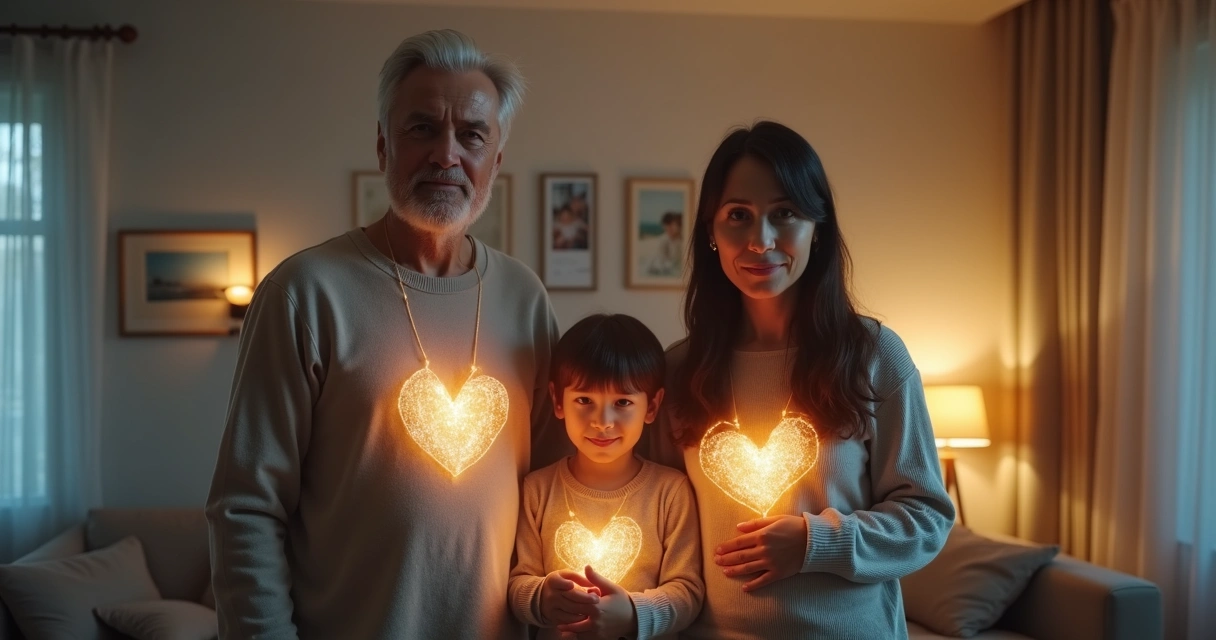
We have seen, over and over, that family shapes us in visible and invisible ways. Most people notice how childhood shapes habits or preferences. But underneath, there’s another kind of influence running quietly. Unconscious loyalty in family systems links generations, sometimes helping, other times holding us back. What drives this loyalty, often beneath our awareness? We feel there are deep forces at play that we can no longer ignore.
What is unconscious loyalty?
Unconscious loyalty is the silent bond that ties us to family traditions, beliefs, or even suffering, often without realizing it. We follow patterns not because they serve our life today, but because loyalty seems to link us to those we love—or to ancestors we never even met. The pull can be strong.
Sometimes, a person struggles to succeed, not because of lack of effort or skill, but because a part of them feels it would betray a struggling parent or sibling. This often happens without awareness. We just feel stuck. And if we look closely, we see subconscious bonds preventing change.
Invisible ties run deeper than spoken words.
Where does unconscious loyalty begin?
We believe the roots are both emotional and systemic. It begins early in life, as a child reads the emotional climate of the home. If a parent silently carries pain, guilt, or shame, children may take that upon themselves, feeling a responsibility to ease it—or at least share it.
These connections operate at a deep level. A few factors often shape these loyalties:
- Belonging: Children need to belong. From a young age, they sense which behavior is rewarded or ignored. Sometimes, that means adopting feelings or burdens to "fit in."
- Identification: We unconsciously copy the experiences or values of those who came before us, even if they suffered.
- Balance: Many families try to keep things fair between members, and if one person carried a heavy load, another may "make up" for it without ever realizing why.
We often see these patterns mirrored across cultures and generations. The sense of connection might override logic—or even personal happiness.
How does emotion drive family loyalty?
Emotions are the glue of family life. Even unspoken feelings impact choices and actions. Loyalty does not only come from love. It may also spring from fear, shame, guilt, or the longing for acceptance.
In our work, we have seen three key emotional drivers of unconscious loyalty:
- Love and fear of loss: A child will avoid surpassing a parent if it risks rejection or jealousy. "If I win, will I still belong?"
- Inherited suffering: Many unconsciously adopt ancestors’ pain, as if to prove their connection by suffering too. It is as though happiness would betray someone who endured hardship.
- Shame or guilt: Sometimes, a person feels guilty for wanting more than their parents had. They restrict themselves—not to dishonor family sacrifices.
These feelings are not always logical. In fact, unconscious loyalty thrives in the space where logic and emotion collide. If you have felt torn between what you want and what might upset a parent or family tradition, you have felt this force.
The neuroscience of invisible bonds
Our brains are wired to seek safety in our group. The family, as our first group, programs patterns at a deep level, especially in childhood. Mirror neurons, as studied in behavioral science, encourage us to copy emotions and actions. We also pick up unspoken rules through simple observation—“children should not be happier than their parents,” for instance. These silent codes can govern choices for a lifetime.

The emotional climate of a family doesn’t just shape rules; it also shapes the nervous system. Stress, tension, or calm passes from one person to another, sometimes carrying through generations. When we reflect on emotional maturity, it often shows up in how people relate to these inherited patterns—either breaking cycles, or repeating them unconsciously.
Systemic forces: patterns beyond the individual
We think it’s vital to look beyond the individual to the system. Family systems work like a web—change one strand, and every other strand feels it. Each member adjusts to what the system needs, sometimes at their own expense.
Systemic constellations show us common themes of loyalty, such as:
- Repeating fates: A grandchild repeats a grandparent’s suffering or failures.
- Exclusion: When a family member is excluded, someone else unconsciously steps into their place, “carrying” their fate in loyalty.
- Disrupted hierarchy: Children try to take responsibility above their generation by caring for parents or acting as mediators.
We have noticed that, often, conflicts or limitations in adult life make perfect sense when seen through this larger family system lens. Family systems perspectives offer deep insight but can also create compassion—for ourselves and our relatives.
Breaking the cycle: steps toward awareness
So, what helps loosen unconscious loyalty? Awareness is the start, and reflection helps.
Here’s what can support change:
- Notice repeating life outcomes or strong resistance to change, especially in family contexts.
- Look with compassion at ancestors’ fates without carrying their suffering as your own.
- Seek clarity on your real desires and values, honoring family while giving yourself permission to live your own way.
- Consider practices like meditation or journaling to meet these patterns with care, not judgment.
Awareness begins the path to freedom.
Sometimes, support from trusted guides or therapy can help too. The journey is about integrating the past, not rejecting it—carrying the love, but not the limitation.
The role of values and consciousness
Unconscious loyalty is not just about problems—it is deeply tied to how we relate to values like respect, gratitude, and responsibility. When we bring these values into awareness, we can start to grow new forms of connection, built not on sacrifice, but on genuine choice. Resources on human values and consciousness offer helpful perspectives here.
When we step back, we see how personal maturity grows from balancing what we inherited with what we choose now. As behavioral science develops, so does our understanding of how to honor the past and live more freely. Content on behavioral science might guide further discovery for those interested in scientific lenses as well.
Conclusion: why unconscious loyalty matters
In our experience, unconscious loyalty binds families together, but can also block growth and keep old wounds alive. Becoming aware of these forces is the first step in transforming them.
When we see these invisible ties clearly, we gain freedom to decide—how to belong, whom to honor, and how to live in a way that respects family history without being caught by it. Unconscious loyalty is powerful, but awareness gives us new choices. This is the path to a more conscious, mature relationship with our loved ones and with ourselves.
Frequently asked questions
What is unconscious loyalty in families?
Unconscious loyalty is a deep and often hidden attachment to family patterns, beliefs, or limitations. It means we might repeat actions, carry burdens, or avoid successes because we feel, often unknowingly, connected to the past or loyal to family members—even when these patterns do not serve our own well-being.
How does unconscious loyalty develop?
Unconscious loyalty forms through early experiences in the family. As children, we observe and absorb the emotional climate, rules, and struggles in our home. Driven by the need for belonging and love, we often take on roles or emotions to fit these family patterns, even if it means self-sacrifice or repeating hardships from prior generations.
Why is unconscious loyalty so strong?
Unconscious loyalty is strong because it is rooted in basic human needs: attachment, love, and belonging. The desire to maintain harmony and connection within the family often wins over personal happiness or progress. Emotional ties, and the fear of being excluded or rejected, make these loyalties powerful and sometimes difficult to break.
How can I recognize unconscious loyalty?
You might recognize unconscious loyalty if you notice repeating patterns in your life that mirror family history, or if you feel blocked from making life changes that would set you apart from your relatives. Resistance to growth, unexplained guilt, or the urge to “repay” a family member’s suffering can also signal unconscious loyalty at work.
Can unconscious loyalty be changed?
Yes, unconscious loyalty can be changed by bringing awareness to these patterns. Reflection, self-inquiry, and sometimes professional support can help reveal these unconscious ties. With understanding and compassion, people can honor their family while making new choices, creating space for more freedom and growth.