As we navigate stress and complexity in modern life, we often search for a sense of balance and meaning. Mindful breathing stands out as a simple yet transformative habit. At first glance, it may sound far too basic—just breathing with awareness? But research and centuries of human observation suggest that this small shift can hold surprising power for emotional clarity and lasting change.
What is mindful breathing and why does it matter?
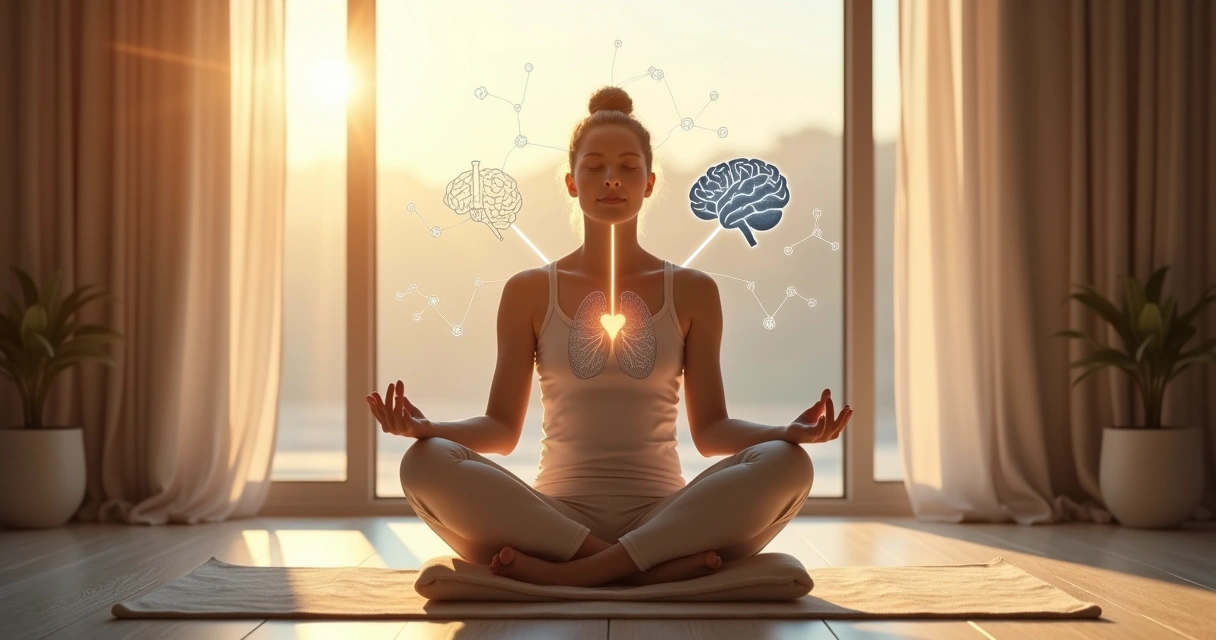
To put it directly: mindful breathing is the act of intentionally noticing your breath, guiding attention without changing the natural rhythm, and observing sensations in the body and mind as you breathe. It is not about controlling your breath to be deep or slow, nor is it seeking some magical state. Instead, it is about present-moment attention.
Many of us spend hours unaware of our breathing, especially in stressful moments. We might catch ourselves holding our breath or taking shallow, hurried inhales. When we stop and notice, we invite a pause—an opportunity to recalibrate.
A single breath, noticed, can bring the mind back home.
Bringing awareness to the breath turns it into an anchor—a stable, always accessible reference point for the mind. This anchor is more than symbolic. Scientific research shows that conscious breathing shapes brain activity, affects heart rate, changes hormone levels, and influences the way emotions are felt and processed.
How breathing shapes our body and emotions
Every breath we take is connected to a mix of physical, emotional, and cognitive responses. When we breathe calmly and mindfully, several things happen in our physiology:
- The parasympathetic nervous system, which helps us rest and restore, is activated.
- Levels of the stress hormone cortisol tend to decrease.
- Heart rate variability (HRV) improves—this is often a marker for better emotional flexibility and resilience.
- Regions of the brain involved in attention and emotional regulation show greater activity and connectivity.
Mindful breathing is a powerful gateway to calming the nervous system and breaking cycles of reactivity. Instead of being hijacked by emotions in stressful moments, we gain a small but meaningful pause—a moment to choose how to respond.

In our experience, we have noticed people often underestimate how much a few conscious breaths can shift their day. A client once mentioned, “My stress felt inevitable—until I realized how different the world looked after just five slow breaths.” That kind of shift is not mystical. It is based on real, measurable shifts in our mind and body.
The link between mindful breathing and emotional clarity
Emotional clarity is the ability to notice and name what we feel, without judgment or confusion. Many people experience emotions as foggy, overwhelming, or hard to control. Mindful breathing can “clear the fog” in several ways:
- It creates a pause between stimulus (what happens) and response (how we react).
- It grounds attention in body sensations, which brings emotions into conscious awareness.
- It encourages non-judgmental observation, reducing self-criticism and defensiveness.
- It shifts brain activity away from primitive survival circuits toward deeper, reflective regions.
With practice, mindful breathing makes our inner emotional landscape less chaotic and more understandable. We learn to see feelings arise and pass, to distinguish old patterns from current needs, and to act with more intention.
What does science say about mindful breathing?
In recent decades, scientists from psychology, behavioral science, and neuroscience have studied mindful breathing in detail. The consensus is clear: regular practice leads to better emotional self-regulation, reduced symptoms of anxiety and depression, and sharper self-awareness.
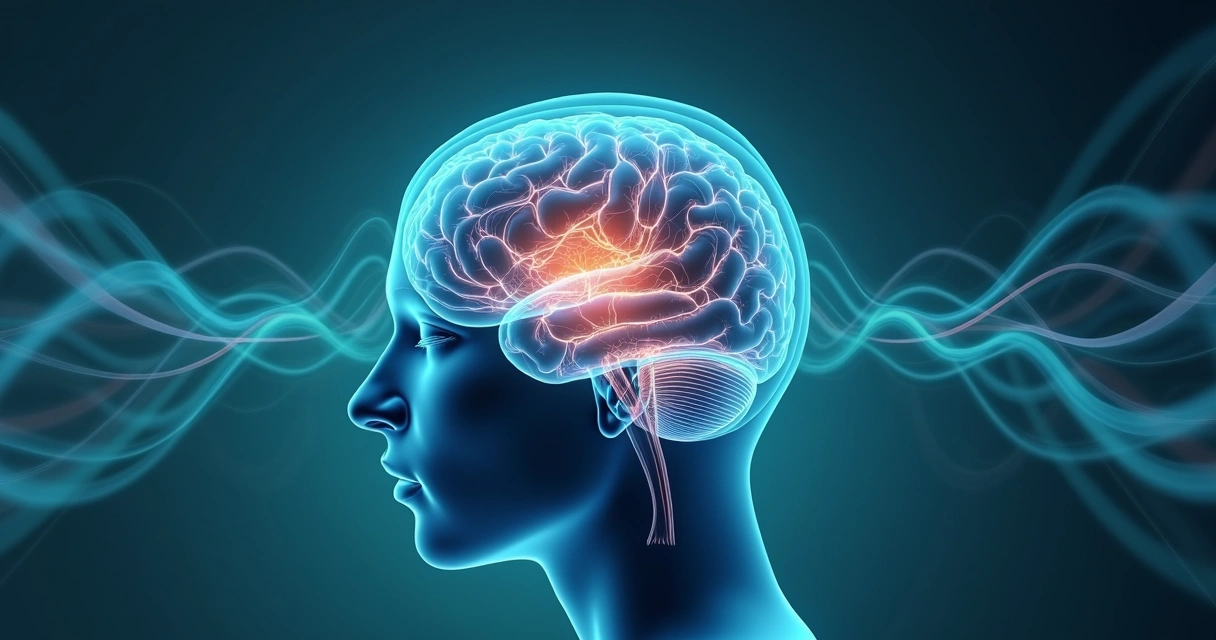
- Studies using brain imaging show that mindful breathing increases activity in the prefrontal cortex (the area involved in reflection and decision-making) and decreases activation in the amygdala (the “alarm center” for fear and stress).
- Heart and hormone studies reveal that mindful breathing lowers blood pressure and triggers relaxation responses.
- Long-term use is linked to measurable changes in brain structure and connectivity, supporting resilience and a sense of purpose.
What excites us about these findings is not just the numbers or graphs—it's the everyday impact. We have met people who felt tension melt from their shoulders after years of anxiety. Others found emotional “knots” unraveled when they finally gave themselves permission to pause.
To learn more about how emotional clarity impacts overall well-being, our readers often visit the section on emotional maturity.
Simple steps to start mindful breathing
We often recommend getting started with easy, realistic steps:
- Set aside a few minutes—no special setting required.
- Sit with your spine upright or lie down comfortably.
- Allow your eyes to gently close or settle on a steady spot.
- Notice your breath—where it enters, how it feels, its temperature and rhythm.
- If your mind wanders (it will!), thank yourself for noticing and come back to your breath, without judgment.
- Repeat, letting your attention rest on the breath again and again.
Consistency matters more than duration; even a few moments of regular mindful breathing can spark shifts in your awareness and response to life.
Curious readers will find more applied practices and scientific perspectives in our meditation section as well as behavioral psychology discussions in behavioral science.
Bringing mindful breathing into daily life
The beauty of mindful breathing is that it does not require isolation, special gear, or hours of training. We can bring it into emails, meetings, family life, and even walks outside. Try connecting mindful breathing with daily “anchors”—moments that happen anyway, such as waiting in line, closing your laptop, or stepping through a doorway.
With practice, we begin to notice the space between feeling and reaction. This is where emotional clarity grows. It is not about escaping stress, but about responding with steadiness and intention.
For more rich insights on consciousness and personal growth, many readers explore our consciousness collection and the full range of articles at Mindful Breathing Zone.
Conclusion
Mindful breathing is more than a calming exercise; it is a bridge between unconscious reaction and conscious choice. Scientific and personal evidence align—when we tune into our breathing, we access tools for self-regulation, greater clarity, and deeper meaning in our responses to life. We have seen that, by returning again and again to our breath, the ordinary becomes a source of insight and transformation.
Frequently asked questions
What is mindful breathing?
Mindful breathing means bringing conscious and gentle attention to your breathing, noticing each inhale and exhale as it happens, without trying to change it. It anchors your attention in the present moment, often helping to calm the mind and steady emotions.
How does breathing affect emotions?
Breathing is closely linked to the nervous system and emotional centers in the brain. When we breathe calmly and mindfully, it signals safety to the body and mind, which reduces stress responses and makes it easier to notice, understand, and respond to emotions.
Can mindful breathing help with stress?
Yes, mindful breathing has been shown in scientific studies to lower stress by calming the body's stress response, slowing the heart rate, and decreasing the release of stress hormones. Many people feel more relaxed and clear-headed after practicing even a short round of mindful breathing.
How do I practice mindful breathing?
To practice, simply take a comfortable position and pay attention to your breath as it flows in and out. Notice physical sensations and let your attention return to the breath whenever you get distracted. Start with a few minutes each day and increase as you wish.
Is mindful breathing scientifically proven?
Yes, a wide body of research—including neuroscience, psychology, and behavioral studies—supports the benefits of mindful breathing for emotional self-regulation, improved attention, and well-being. Brain scans and hormone studies confirm these effects in both short and long-term practice.