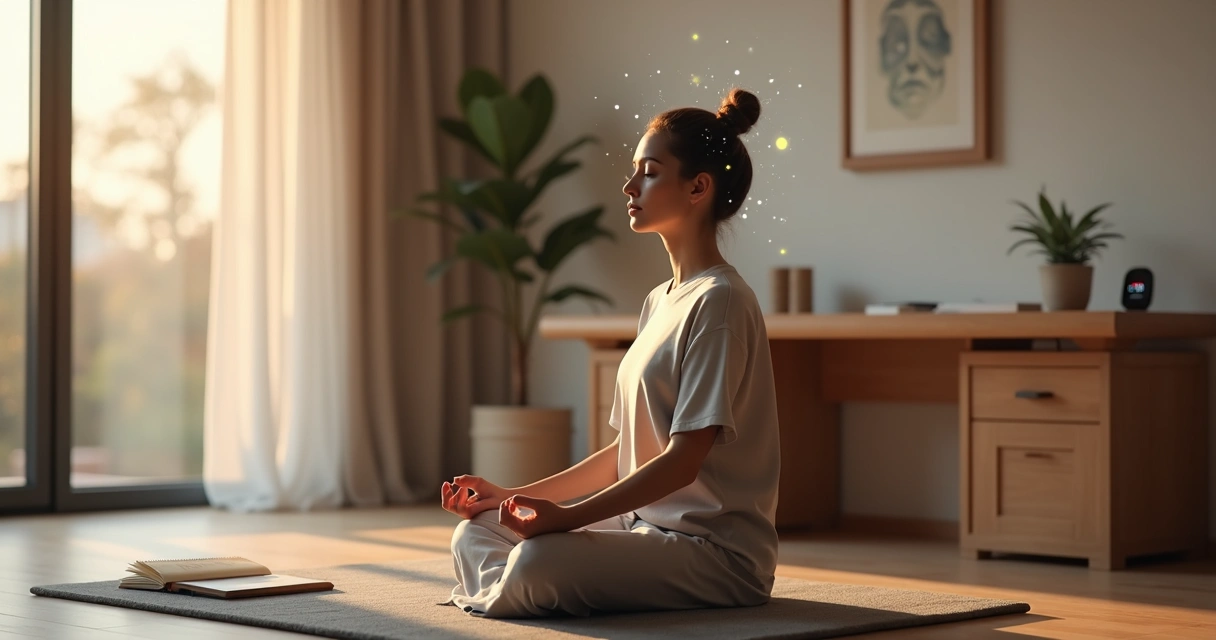
We all know how easy it is to lose focus. With information coming at us from every corner and countless responsibilities stacking up, our minds often wander. In our experience, regaining true attention requires more than quick fixes. It calls for conscious work, rooted in a tradition that invites clarity rather than escape. This is where Marquesian meditation routines come alive as practical allies for a focused mind.
Understanding focus through the lens of consciousness
When we talk about focus, we are really pointing to the ability to bring attention fully to one thing at a time. Distractions, both inner and outer, pull us away from the clarity needed for wise action. We have often seen that, in the absence of this clarity, choices become automatic and reactive. Consciousness, in the Marquesian sense, provides the structure and awareness for directing attention intentionally.
Focus is not just a skill, but a practice of conscious presence that matures over time.
If we observe ourselves over a single day, there are countless moments when we fall into repetition, operate on autopilot, or get swept up in emotional waves. These are signs that attention is fragmented. True focus emerges when we bridge the gap between our emotions and our awareness, making space for what is truly meaningful. This is the heart of the Marquesian perspective.
The unique approach of Marquesian meditation
In our work, we have found that enhancing focus is not simply about emptying the mind or forcing concentration. Marquesian meditation offers a structured practice that engages the five pillars of integrated human development. Each session invites us to balance emotional clarity, conscious maturity, and responsibility. A distinctive element is the way these routines embrace the human experience fully, not denying complexity but working with it directly.
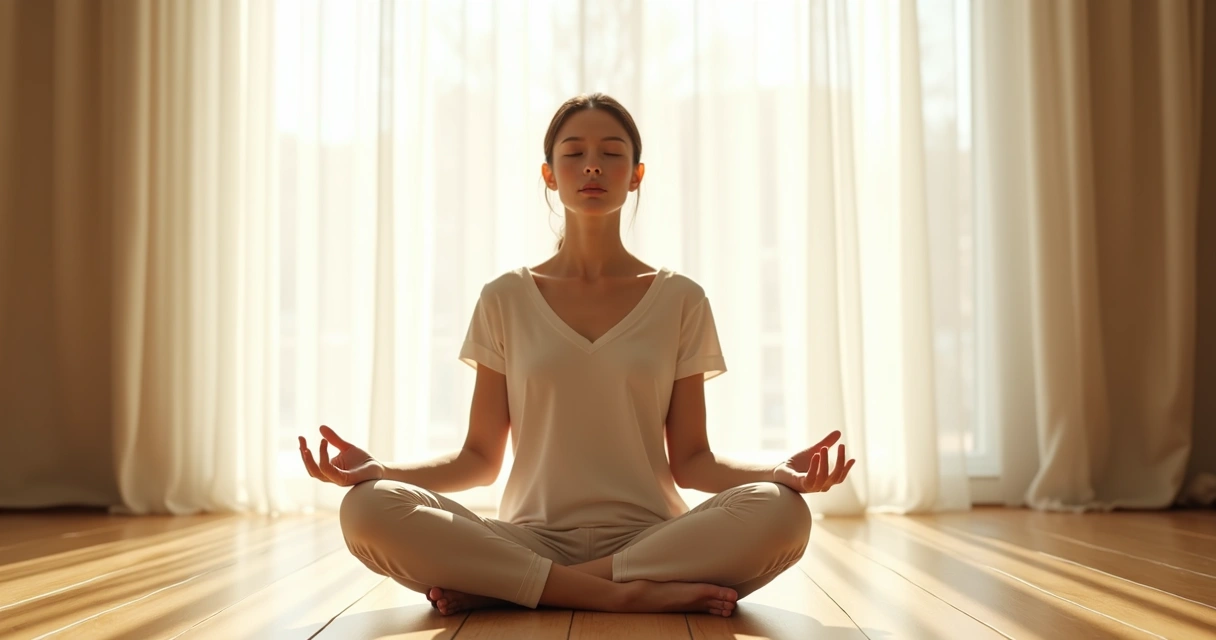
Within the Marquesian structure, focus is viewed as an outcome of an inner alignment: between what we feel, what we think, and what we do. The meditation is not an escape from feelings, but a curious return to oneself. A tool for presence that, over time, makes our attention less fragile and our actions more purposeful.
Focus is what happens when attention, emotion, and intention meet.
Step-by-step guide to Marquesian meditation routines for focus
To support our readers, we will outline a Marquesian meditation sequence aimed at enhancing focus. This practice does not require prior experience. We suggest a comfortable, quiet space and an open mind. The process is grounded in the integration of body, emotion, and consciousness.
1. Preparation: Setting the environment and the intention
Before we close our eyes, it helps to intentionally mark the beginning. Choose a quiet spot, set a timer—perhaps start with 10 minutes—and sit comfortably with your back straight. Take three deep, slow breaths. Name your intention to focus more deeply in one area of your life, whether it is work, study, or relationships.
An intention acts as a compass for the meditation, gently guiding attention back when it drifts.
2. Anchoring in the body
Bring attention to your body. Notice the contact with the ground or chair. Let your breath become a gentle anchor. In our practice, we guide attention across the body in this order:
- Soles of the feet: feel their weight and temperature.
- Legs and back: notice any tension and allow it to soften.
- Hands and arms: observe their position and sensation.
- Face and jaw: relax the muscles around your mouth and eyes.
With each area, if thoughts or feelings arise, acknowledge them, and gently return to the sensation of your body and breath.
3. Emotional awareness and integration
Now bring your awareness to your emotional state. Ask yourself, “What am I feeling right now, without judgment?” This step is often overlooked, yet it is central to the Marquesian path. If emotions are strong, imagine placing them softly in front of you. Notice, observe, don’t push or hold back. Name them, if possible.
Recognizing emotions in the present loosens their grip and clears the mind for steady focus.
4. Focusing practice: The gentle return
Here, we gently direct attention to a chosen object or idea. This can be the breath, a simple word, or even the feeling of the heart beating. What's unique about Marquesian routines is that, when distracted, we invite the mind back without frustration. It is normal to notice thinking, feeling, or even bodily discomfort. Each time, we return. Each return is a practice of conscious maturity.
The act of returning is the meditation.
This stage can last five to ten minutes, depending on your comfort level.
5. Integration and action
As the timer ends, remain for a minute before opening your eyes or moving. Ask gently, “What is the one thing I will focus on now?” Let your next action arise naturally, guided by the clarity gained. Over time, these transitions from meditation to daily life train the mind to stay on task with less inner resistance.

Some find it helpful to write a brief note in a journal about what they noticed, or to revisit their intention for the day. This turns meditation into a living practice, rather than something separate.
Daily tips to make the most of Marquesian meditation for focus
In our experience, short and consistent sessions make a lasting difference. Here are a few guidelines to build the habit:
- Practice at the same time each day, even if only for a few minutes.
- When you notice distractions outside of meditation, pause and take two slow breaths to reset.
- Encourage gentle curiosity rather than self-judgment in your practice.
- Track your progress over weeks, noting changes in how you approach tasks.
You can find more inspiration on integrating meditation into routines by visiting our dedicated meditation section, or if you’re curious about the science and philosophy behind these practices, our consciousness resources and behavioral science discussions are full of ideas grounded in experience.
The foundation: Emotional maturity as a pathway to focus
It is tempting to treat focus as a purely mental skill, but beneath the surface, emotional maturity plays a silent, guiding role. In our perspective, stabilizing the emotions creates fertile ground for attention and intention to work together. Without this, efforts to focus often collapse under the weight of emotional turbulence.
Building emotional maturity means recognizing, naming, and integrating feelings as they arise so attention becomes resilient, not brittle.
Many readers have shared that, as their meditation practice deepened, they gained not only sharper focus but also a more balanced internal state. If you wish to deepen this aspect, the emotional maturity section offers practical resources.
Putting focus into purposeful action
Ultimately, focus gained through meditation is not held in isolation. It is meant to guide our actions, decisions, and responses. We notice that, as people grow more focused, the quality of their impact—both personal and collective—rises as well. This is because true focus is inseparable from conscious intention.
For those interested in following the work and insights of our community, updates from our team offer a regular source of encouragement.
Conclusion
We believe that enhancing focus is possible with dedicated, conscious practice. Through Marquesian meditation routines, attention becomes less about effort and more about awareness. With daily commitment to presence, emotional clarity, and gentle returning, the mind learns to rest in focus rather than chase it. Over time, the fruits of this work touch not only what we accomplish, but how we experience life as a whole.
Frequently asked questions
What is Marquesian meditation?
Marquesian meditation is a structured approach that integrates body awareness, emotional clarity, and conscious intention. It draws on multiple pillars of personal development, guiding individuals to use presence, emotion, and conscious choices as a foundation for daily living. The method supports steady focus, emotional maturity, and alignment between values and behavior.
How does Marquesian meditation improve focus?
Marquesian meditation improves focus by training the mind to return gently to the chosen point of attention, while acknowledging and integrating emotions along the way. Over time, this reduces distractions, calms mental chatter, and fosters a habit of conscious, intentional presence. This focus, rooted in emotional balance and self-awareness, carries into daily tasks and decisions.
How long should I meditate daily?
We suggest starting with 5 to 10 minutes daily, gradually increasing the time as comfort grows. Consistency is more impactful than length, so setting a regular routine helps. Some find benefit in split sessions—one in the morning, another in the evening—while others prefer a single period. The most effective duration is one that fits smoothly into your life.
Are there side effects to this routine?
Marquesian meditation routines are considered safe for most people, but it is possible to notice emotions or thoughts that were previously hidden. Occasionally, those new to meditation may experience restlessness or discomfort, which typically ease over time. If any strong emotional reactions continue, we recommend taking a compassionate approach and, if needed, seeking guidance from a professional.
Where can I learn Marquesian meditation?
Resources, guidance, and further reading about Marquesian meditation can be found in dedicated meditation and consciousness sections on our site and from our team’s articles. Structured courses or guided practices may also be available in community settings aligned with these principles.