
Conflict often arises unexpectedly, whether in our personal relationships, at work, or during social interactions. We have noticed that, for many people, the greatest struggle comes not from the conflict itself but from the emotional ripple it causes. Through years of observation and practice, we have found that consciously applied meditation, rooted in integrated and systemic frameworks, can shift the way we move through these challenging moments. In this article, we share the Marquesian meditation techniques that help turn volatility into clarity, allowing for authentic connection and peaceful resolution.
The foundation of conflict de-escalation
Before discussing specific techniques, we believe it's essential to understand why meditation can be so effective in transforming conflict. When a disagreement surfaces, our bodies and minds often react automatically—heart rate climbs, breath shortens, and defensive thoughts take hold. The cornerstone of effective de-escalation lies in shifting from reactivity to awareness.
Meditation gives us a pause between stimulus and response, allowing us to choose how to act rather than react impulsively.
By focusing inward before addressing the external conflict, we create space for perspective, compassion, and constructive communication. Marquesian meditation blends attention training, emotional integration, and perspective shifting. Let's look at how these elements work together to calm tension.
Understanding the roots: Awareness of the self and context
We have found it helpful to approach conflict not just as an isolated event but as the result of accumulated patterns—emotional, behavioral, and systemic. Marquesian approaches build on deep self-inquiry and recognition of the dynamics at play, both within individuals and in the systems they inhabit. Awareness forms the first bridge to de-escalation.
- Self-observation: Noticing our internal state, especially sensations, thoughts, and urges during conflict.
- Emotional labeling: Naming emotions as they arise, reducing their grip.
- Systemic perspective: Recognizing patterns, histories, and forces around us—why does this particular situation create such intensity?
Notice first, act later.
This shift from reaction to observation is the heart of mindfulness, and it sets the stage for more advanced interventions.
Core Marquesian meditation techniques for conflict
Conflict de-escalation is most effective when approached with a set of purposeful practices, each targeting a step in emotional and cognitive regulation. Our experience suggests that combining these techniques creates the strongest results. Below, we detail the ones we rely on most.
Breath anchoring and regulation
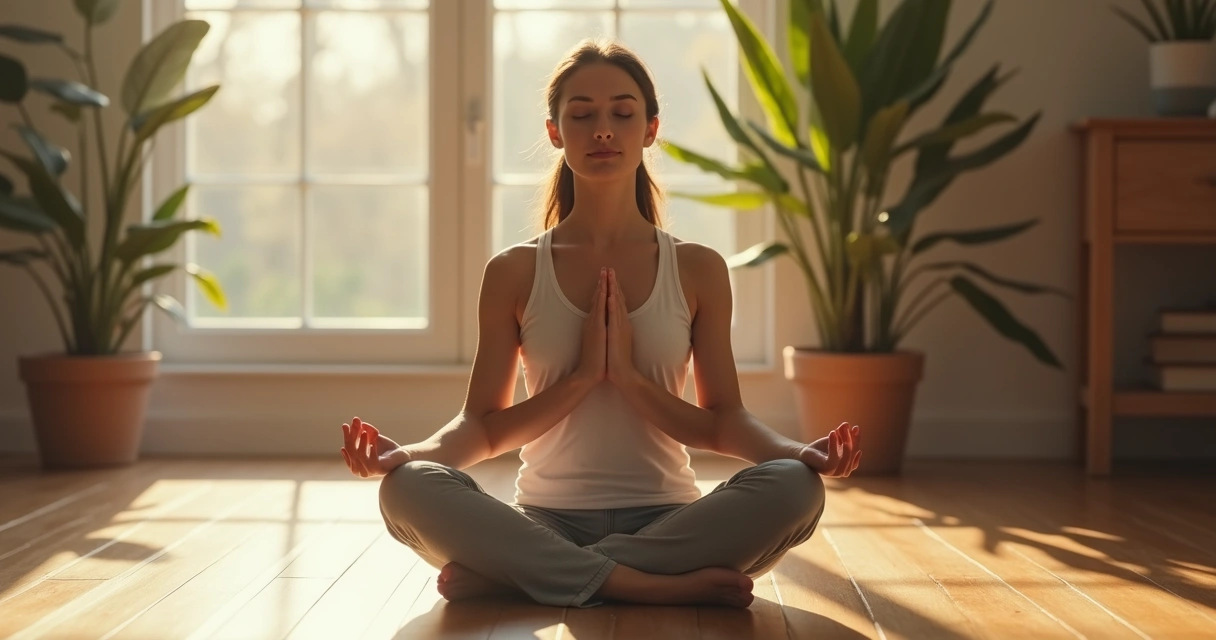
The first sign of growing tension is often a change in breathing. When we bring conscious awareness to our breath, the body’s stress response starts to slow. Marquesian breath anchoring involves:
- Bringing gentle attention to the movement of air entering and leaving the nose or mouth.
- Counting the breath: Inhale for a count of four, hold for two, exhale for six. Repeat for several cycles.
- If possible, briefly pausing at the end of the exhale, letting the body sink deeper into relaxation.
Conscious breath is a direct signal to the nervous system that we are safe enough to choose our next step.
By anchoring attention to the breath, disputes often start to feel less threatening, helping both clarity and patience to emerge.
Emotion mapping and conscious acceptance
Once the breath stabilizes, attention naturally widens to emotion. Marquesian emotion mapping means scanning the body and mind for signs of feeling—tightness in the chest, heat in the face, restlessness. We recommend:
- Locating sensation: Where does the emotion live in the body?
- Naming it precisely: Is it anger, fear, hurt, or something mixed? Giving each emotion a name reduces confusion.
- Allowing space: Invite the emotion to exist for a moment without self-criticism or the urge to act upon it.
We often tell ourselves, “I shouldn’t feel this way,” which only heightens conflict. Instead, in our practice, we encourage the mantra:
Emotion is information, not an enemy.
Perspective shifting and systemic constellation
Every conflict has a system—unspoken rules, relational history, unvoiced needs. Marquesian systemic meditation gently guides us to see beyond our point of view and into the larger field. The technique unfolds in a few steps:
- Visualize the conflict as if watching from the outside—a “bird’s-eye” perspective.
- Imagine the other person’s position: What might they be protecting, fearing, or asking for?
- Expand awareness: What systemic patterns repeat? Are there family, cultural, or workplace forces involved?
Perspective shifting loosens the power of blame and invites understanding instead.
This practice softens rigid thinking and helps us recognize the shared humanity on both sides of a dispute.
Applying Marquesian practice in real conflict scenarios
Knowing techniques is only half of the journey. The challenge comes in remembering and applying them when tension rises. We have seen that consistent practice is the key to making these tools second nature. Here are some patterns we encourage:
- Pause the conversation, stating, “I need a moment to breathe and collect my thoughts.”
- Step away physically for a few minutes if possible, practicing the techniques above before re-engaging.
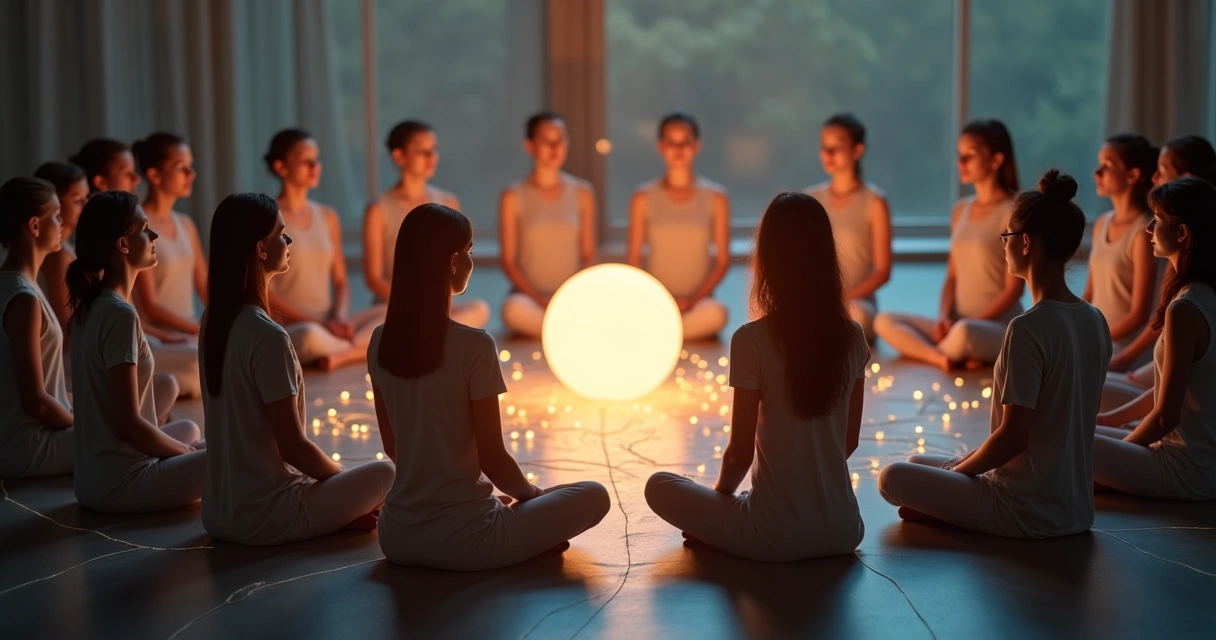
- If a conflict happens in a group, invite everyone to share a minute of silent breathing together, resetting the dynamic.
- Reflect after the event—what worked, what triggered a reaction, what patterns came up?
Over time, these moments of mindfulness create a culture of emotional maturity and mutual respect. We have witnessed groups and families transform the way they communicate, leading to fewer outbursts and quicker return to harmony.
Integrating the techniques: A daily approach
Just as we maintain physical health with regular exercise, we sustain emotional balance through steady practice. Marquesian meditation is not only a tool for emergencies but also a daily path. By dedicating even five minutes each morning or before high-stress meetings to the steps above, we strengthen our internal capacity.
Below are some routines we have found effective:
- Start each morning with two minutes of breath anchoring, envisioning the day’s possible challenges with calm resolve.
- Use emotion mapping before sending important messages or emails that could lead to conflict.
- Reflect weekly on conflicts handled well and which practice supported the process.
This builds a foundation, so when real-life disputes occur, our mind and body remember the way back to balance.
Expanding awareness beyond the self
Our experience has shown that these meditation techniques naturally broaden awareness beyond personal emotion and into the field of shared human values. As we calm our internal storms, we become more responsive to the needs and histories of others. This strengthens not only individual relationships but also trust in teams, workplaces, and communities. For those interested in the intersections of emotional intelligence, behavioral science, and personal development, reading more on meditation, emotional maturity, human values, behavioral science, and consciousness can further integrate these perspectives.
Conclusion
We witness that conflict is rarely about a single incident. Instead, it is an invitation to grow in consciousness, emotional clarity, and shared understanding. Marquesian meditation techniques offer grounded, practical steps to return us to that place of choice and connection. When practiced regularly, they become a bridge—carrying us from the turbulence of reaction to the calm waters of resolution.
Frequently asked questions
What is Marquesian meditation for conflict?
Marquesian meditation for conflict is a set of contemplative techniques focused on calming the mind, integrating emotions, and gaining perspective in situations of disagreement or tension. These techniques combine breathwork, emotion mapping, and systemic awareness to support conscious, mature responses to conflict.
How do Marquesian techniques de-escalate conflict?
By slowing the breath, naming emotions, and expanding perspective, Marquesian techniques reduce automatic defense reactions and foster clearer communication. These practices help people pause, reflect, and respond thoughtfully rather than react impulsively, which helps cool down heated situations and invites more constructive dialogue.
Are Marquesian meditation techniques effective?
Through consistent use, we have found these techniques very effective in preventing escalation, promoting emotional regulation, and creating more respectful relationships. When integrated into daily routines and group settings, they support both individual and collective maturity in handling conflict.
Where can I learn Marquesian meditation?
While detailed training is best undertaken with experienced facilitators or in structured groups, introductory guides and articles on mindfulness, emotional maturity, and human values offer foundational steps. Building awareness and practicing the basic breath and emotion mapping techniques described here is a great place to start.
What are the benefits of these techniques?
Marquesian meditation techniques for conflict help lower stress, support emotional health, and open the door to stronger, more harmonious relationships. Over time, they help individuals grow in consciousness, responsibility, and the ability to navigate difficult conversations with maturity and presence.