

We live in a fast-paced world, where tuning in to our bodies can feel unfamiliar, even uncomfortable. Yet, our bodies carry messages. They reveal emotions before our minds recognize them. This is why body scanning, a mindful practice of attending to physical sensations throughout the body, is a gentle and profound tool for daily emotional insights.
In our view, the body tells stories the mind cannot always articulate. Emotional tension, residual stress, even quiet contentment—they all hide within the muscles, the breath, and the pulse. Learning how to practice body scanning helps us listen, understand, and respond in a more conscious way to what our emotions are trying to say.
What is body scanning, and why does it matter?
Body scanning is a systematic practice of paying close, non-judgmental attention to sensations from head to toe. It invites us to slow down and meet our internal landscape just as it is. In practical terms, that means noticing warmth, tightness, tingling, heaviness, or lightness—without trying to fix or change anything.
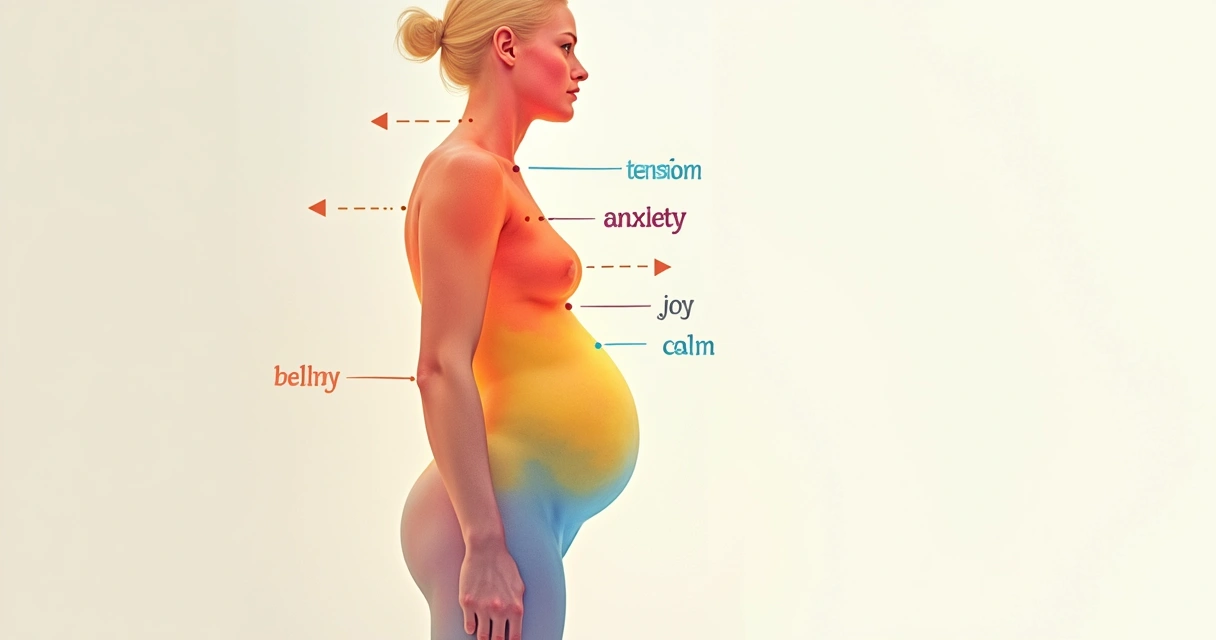
Our emotional lives often play out through the body before our rational minds can catch up. We clench our jaws with anxiety, round our shoulders in sadness, and tense our bellies with fear. Body scanning helps reveal these subtle signals. That knowledge creates a bridge: from automatic reactivity to mindful, healthy response.
“The body speaks first. Listen closely.”
The science behind body scanning
We trust science to help us frame these practices. Research points to several benefits of regular body scanning:
-
Autonomic nervous system balance: Studies show increased respiratory sinus arrhythmia (RSA)—a marker of parasympathetic nervous system activity—during body scan meditation, pointing to greater relaxation and stress recovery. Learn more from the short-term autonomic and cardiovascular effects of body scan meditation.
-
Emotion regulation: Investigations using functional near-infrared spectroscopy (fNIRS) highlight changes in prefrontal cortex connectivity, suggesting that body scanning may enhance our ability to regulate challenging emotions. This is covered in an exploratory study on prefrontal cortex connectivity.
-
Chronic pain relief: Comparative studies reveal body scan meditation may help manage chronic pain. Although the precise mechanisms are still being studied, it’s thought that shifting awareness and releasing tension play key roles. Discover more in a study comparing yoga nidra and body scan meditation for pain.
These findings show us that regular body scanning is not just a relaxation tool—it’s a way to deepen emotional clarity, reduce distress, and care for the body-mind connection.
How to practice a daily body scan for emotional insights
Developing emotional insight through body scanning does not require any previous experience. We recommend you create a quiet, comfortable space for a few minutes each day. Here’s a step-by-step approach that we’ve seen succeed time and again:
- Find your position
Sit or lie down comfortably. Let your hands rest loosely. Close your eyes, or soften your gaze. Begin with three steady, deep breaths. Feel the ground beneath you.
- Bring attention to your breath
Notice where you feel the movement—in your chest, your belly, or your nose. There’s no need to change it, just observe. If your mind wanders, kindly bring it back.
- Start at the top of your head
With gentle curiosity, notice sensations in your scalp, forehead, and temples. Is there tightness? Tingling? Lightness?
- Move slowly downward
Shift your awareness, part by part: eyes, jaw, neck, shoulders, arms, chest, belly, back, hips, legs, feet. Sometimes, you might experience strong sensations—heat, coolness, pressure—or perhaps nothing at all.
- Note emotional signals
Ask yourself: What emotion might be present here? For example, tension in your stomach could reflect worry. A subtle ache in your shoulders might echo frustration.
- Stay with what you find
Allow yourself to rest with any sensation, emotion, or reaction that arises. Try not to analyze, judge, or change the feeling. Just observe, as if you are listening to a friend.
- Return to the breath
After scanning the entire body, anchor yourself for a few more breaths. Thank yourself for taking the time.
Do not rush through the process. Emotional signals in the body are often subtle. Practicing patience will help you access layers beneath the surface.

Common emotional patterns revealed through body scanning
Through consistent practice, we’ve noticed that body scanning can uncover recurring emotional patterns tied to certain areas of the body. Here are some examples that often emerge:
- Neck and shoulders: Often carry the burdens of responsibility and stress.
- Chest: Can reflect sadness, joy, or anxiety. Shallow breath in the chest may indicate underlying worries.
- Belly: Commonly holds fear, anticipation, or excitement.
- Jaw and face: Frequently tighten with anger, tension, or suppressed speech.
Of course, these connections are unique to every individual. What matters is noticing your own personal signals. Over time, we begin to recognize themes—during conflict, at work, or within our families. This understanding boosts emotional maturity and conscious self-leadership, subjects that are deeply discussed in resources about emotional maturity and consciousness.
From insight to response: What to do with what you find
Noticing a physical sensation does not require immediate action. Sometimes just the act of witnessing emotion in the body is enough to soften it. Other times, what we discover offers useful information for daily life:
- If you find anxiety in your belly before a meeting, perhaps a steady, mindful breath or a gentle reminder of your purpose can help.
- If you notice tightness in your shoulders after a tense conversation, you might choose to step outside, stretch, or speak with someone you trust.
- When you experience warmth and openness in your chest, it could signal a moment to celebrate or share kindness.
We often shift from automatic habits—reacting in the same old ways—to more thoughtful, aligned choices. This is the heart of building self-awareness and learning to respond rather than react. For further practical guidance, the topics explored in behavioral science and meditation provide deeper tools.
Making body scanning a daily habit
In our daily experience, creating a ritual around body scanning increases its effectiveness. Even two minutes while seated at your desk or before bed can bring insight. Many people find value in keeping a journal, briefly noting discoveries made after each scan. Over time, patterns appear, and it is easier to see growth or areas that call for gentle attention.
When you wish to deepen your understanding or seek new methods, our search page can guide you to relevant articles.
Conclusion
Body scanning is a powerful way to tune in to your body’s wisdom and develop emotional insight. By practicing daily, we grow in self-awareness, regulate our emotions with greater skill, and foster resilience over time. It’s a process of listening, learning, and living with intention.
Frequently asked questions
What is body scanning for emotions?
Body scanning for emotions is a mindful practice where we focus attention on different parts of the body to notice physical sensations and connect them to emotional states. This helps us understand how feelings are held and expressed physically, supporting greater self-awareness and balance.
How do I start a body scan?
To start a body scan, sit or lie down comfortably, close your eyes if you wish, and take a few calming breaths. Then, begin at the top of your head, shifting attention slowly down through your body, noticing each area for sensations such as warmth, tightness, or ease. There is no right or wrong way—just allow yourself to notice whatever is present, without judgment.
How often should I do body scanning?
We suggest practicing body scanning daily, even for a few minutes. Consistency builds awareness and helps uncover patterns over time. However, any amount—once a week or several times each day—can be beneficial. The most important part is practicing with regularity and kindness toward yourself.
Can body scanning help with stress?
Yes, research indicates that body scanning supports relaxation and stress recovery by increasing parasympathetic activity and helping us release tension held in the body. By recognizing physical signs of stress, we can respond more mindfully. This is especially highlighted in studies of autonomic nervous system balance cited in research on body scan meditation.
Is body scanning safe for everyone?
Body scanning is generally safe for most people and does not require special training. However, some may feel discomfort when encountering intense sensations or emotions. In our experience, proceeding slowly, setting boundaries, and seeking support from a trusted professional can help if difficult reactions arise. If you have a medical or psychological condition that makes body awareness challenging, always check with a qualified practitioner.