

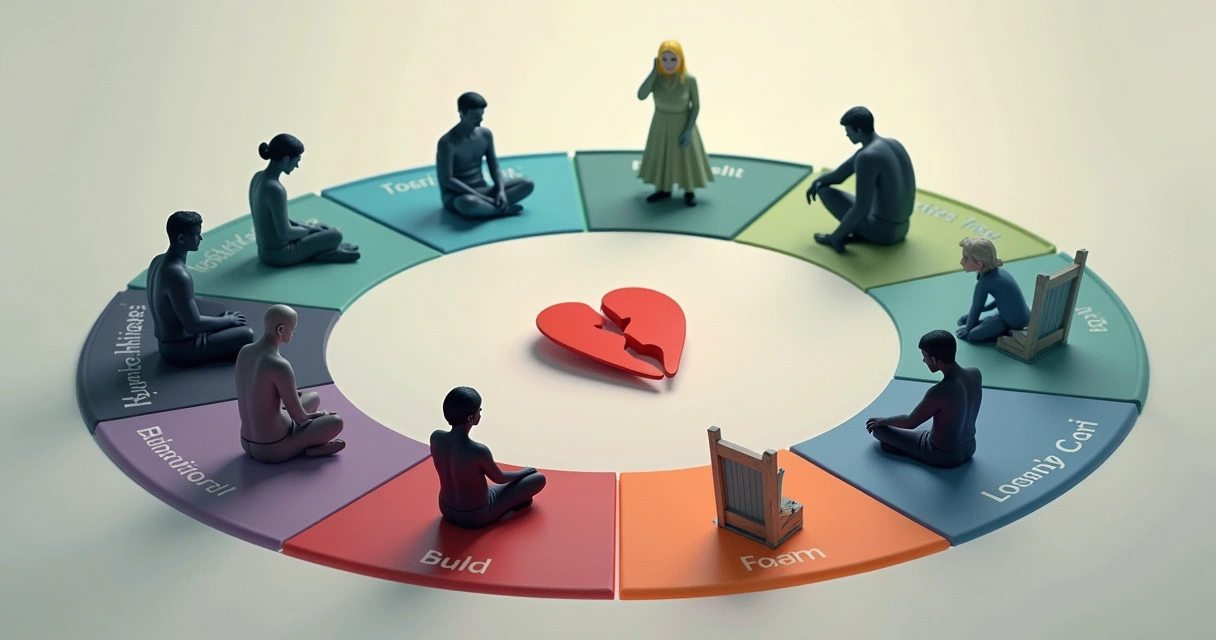
We all carry silent burdens beneath the surface—hidden struggles that shape our thoughts, decisions, and connections. In our experience, these are what we call the "pains of the soul." Recognizing, naming, and understanding them is the start of a journey toward greater emotional clarity and conscious maturity. Let’s walk through each of the nine pains, bringing them to light with practical, human examples.
What are the 9 pains of the soul?
The pains of the soul are deep emotional wounds. They form through repeated experiences, family histories, cultural influences, and our own stories of loss and longing. These pains are not mental illnesses, but states of inner suffering. Unaddressed, they can echo in our professional, personal, and social lives. According to studies by the CDC, symptoms of depression and sadness affect nearly half of high school students in the US. Soul pains are universal, even if their intensity and combination are unique for each person.
Here are the 9 pains:
- Rejection
- Abandonment
- Betrayal
- Humiliation
- Injustice
- Neglect
- Guilt
- Fear
- Loneliness
Rejection: the wound of not being accepted
Rejection is the ache of feeling unwanted or excluded. It often begins early—perhaps a child not chosen for a game or ignored by a parent.
Imagine someone who always tries to please their boss, even working late without thanks. Deep down, they struggle with the pain of rejection. This pain can shape relationships and professional choices. We’ve seen that, for many, it leads to either people-pleasing or withdrawal.
The pain of not feeling chosen lingers long after the moment has passed.
Abandonment: the core of being left behind
Abandonment runs deeper than loneliness. It's a fear of loss, often rooted in early experience—a parent who left, a friendship that disappeared without warning.
As adults, this pain can drive us to cling tightly in relationships or avoid closeness altogether. We may notice a pattern of anxiety when people don’t respond quickly, or a habit of ending things before the other can walk away.
Betrayal: when trust is broken
Betrayal wounds us when someone we depended on breaks our trust—be it a partner, friend, or even leadership at work.
Suppose a friend shared a secret, only for it to become gossip. The resulting pain can surface as distrust or even revenge. We may overthink others’ motives, always on guard—an exhausting way to live.
Humiliation: the shame of exposure
Humiliation happens when we feel exposed, ridiculed, or diminished—often publicly. A mistake at work that becomes office talk, or being mocked for an idea in school, plants this painful seed.
This pain might lead us to avoid speaking up or taking risks, depriving us of growth and opportunities. If we trace courage and confidence back, we often meet the shadow of old humiliation.
Injustice: the pain of unfairness
This pain arises when we’re treated in ways that conflict with our sense of right and wrong. It may be a sibling always favored, a colleague promoted unfairly, or being blamed for things outside our control.
People carrying this pain often have a strong sensitivity to inequality, both for themselves and others. They may advocate fiercely for fairness—or, sometimes, become bitter and distrustful of authority.
Neglect: the ache of invisibility
Neglect is not always about what is said or done, but what is missing. It is the absence of attention, care, or validation. This often comes from caregivers too busy or self-absorbed to notice our needs.
An example: a person whose efforts are always overlooked at home or work may stop trying to contribute, convinced they don’t matter. Even in crowded rooms, neglect can make someone feel invisible.
Guilt: the burden of self-blame
Guilt is the feeling that we have done wrong, failed others, or broken our own moral code. Sometimes, it is healthy—a prompt to correct mistakes. But soul-deep guilt lingers, often attached to events long past.
Picture a parent working late, missing important moments with their children. They may overcompensate later, but the guilt shapes future choices and actions. In our experience, chronic guilt can lead to self-punishment or giving up on self-care.
Fear: the silent shadow
Fear, as a pain of the soul, is more than just caution. It becomes chronic worry, a constant background noise. Fear of failure, of loss, of not measuring up.
We see this pain show up before big decisions or life changes. A talented person never applies for a dream job, convinced they will fail. This type of fear limits growth, blurring the line between prudence and paralysis.

Loneliness: the absence of connection
Loneliness is not simply being alone—it is feeling disconnected, even in a crowd. For some, it follows a move, a breakup, or the loss of a loved one. Others have always carried it, unable to find people who understand.
This pain can lead to isolation, depression, or sometimes frantic searching for belonging. According to research from the National Institute of Mental Health, nearly a quarter of adults experience mental distress, much of which includes social disconnection.
How do these pains shape our lives?
All nine pains shape our stories in personal and professional settings. Some are visible, others are hidden corners of our minds. Our jobs, friendships, families, and communities reflect them. By naming them, we reclaim the choice to address—and even transform—their hold on us.
Many of us find resonance in these pains because, as data shows, high psychological distress isn't rare, especially in recent years. The global pandemic has amplified these wounds for millions.
Healing and integrating soul pain
Healing begins by noticing. Through reflection, meditation, or meaningful conversations, we can name the pain instead of denying it. When we recognize patterns—like avoiding closeness, persistent worry, or trouble trusting—we can ask: What pain is at the core?
Practical steps can help:
- Journaling to identify recurring emotional triggers
- Meditation to create a space of safety and understanding
- Open discussions about our histories and core pains
- Therapeutic practices, including guided systemic constellation sessions
- Studying emotional maturity to grow awareness (emotional maturity resources)
- Exploring human values to anchor new forms of behavior (human values resources)
We also recommend supportive content on consciousness, reflective practices rooted in meditation, and the deeper mechanisms of behavioral science, for addressing these pains holistically.
Healing happens step by step—in our awareness, choices, and gentle persistence.
Conclusion
When we understand the 9 pains of the soul, we claim the power to move beyond old stories into new ways of living. These wounds are common, but so is our ability to heal. In our experience, every act of awareness and honesty brings us closer to emotional clarity, conscious maturity, and kinder relationships—with ourselves and others.
Frequently asked questions
What are the 9 pains of the soul?
The 9 pains of the soul are deep emotional wounds: rejection, abandonment, betrayal, humiliation, injustice, neglect, guilt, fear, and loneliness. Each brings its own challenges, but recognizing them is the first step toward healing.
How do I recognize soul pain?
Soul pain appears as strong emotional reactions, repeating life patterns, or persistent inner struggles. We notice soul pain when we face triggers that feel bigger than current events. Reflection, journaling, or support from trusted people can help clarify which pain is present.
Can soul pains affect my health?
Yes. When unaddressed, soul pains can lead to stress, depression, anxiety, and relationship problems. Long-term, they may impact physical well-being through sleep issues, fatigue, and even immune system changes.
How can I heal soul pains?
Healing happens through self-awareness, safe relationships, reflection, and sometimes guided therapeutic practices. Naming the pain is a powerful first step. Practices like meditation, open conversation, and learning about emotional habits support healing.
Are soul pains common for everyone?
Yes, everyone encounters soul pains in some form. The combination and intensity vary, but these wounds are a shared human experience. Recognizing their presence helps us grow into more compassionate people, both with ourselves and others.