We all interpret the world through the lens of personal emotions, beliefs, and past experiences. At times, what we perceive in others may actually be a reflection of our own inner world. This process, known as emotional projection, happens more often than we realize. Recognizing when and how we project can shift our relationships, decisions, and personal development in ways we might never have imagined.
Understanding emotional projection
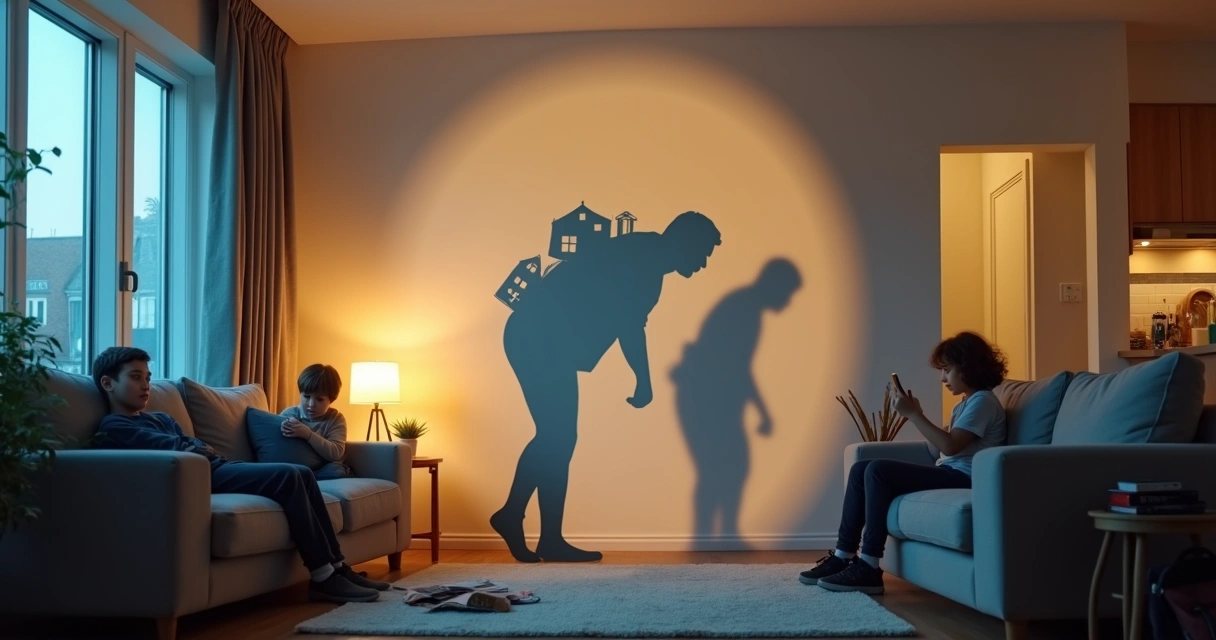
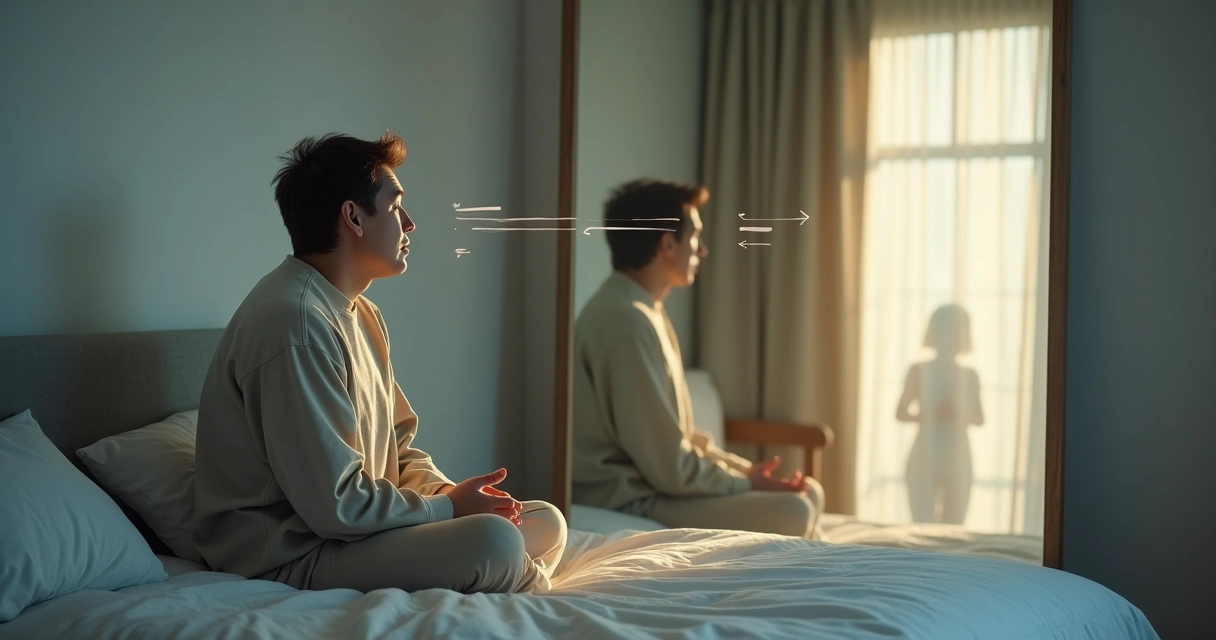
Before we can recognize emotional projections in our daily life, we need to know what it looks like. Emotional projection occurs when we ascribe our own feelings, motives, or qualities to someone else, often unconsciously. It is as if we are holding up a mirror to ourselves and mistaking the reflection for another person. Instead of acknowledging what is happening inside, we notice those traits or emotions in others.
It is easier to see in others what we cannot yet see in ourselves.
For example, if we are feeling frustrated but unable to admit it, we might criticize a friend for being short-tempered. Or, if we struggle with self-worth, we might assume our colleagues doubt our abilities, even without clear evidence. Our external world starts echoing our internal states.
Why do we project our emotions?
From our perspective, emotional projection serves as a psychological defense. It protects us from discomfort, shame, or unresolved pain. When we project, we gain emotional distance from feelings that seem threatening or overwhelming.
There are several reasons why projection happens:
- Unconscious discomfort: We are often unaware of our emotional patterns, so projecting them outward feels safer than facing the root cause.
- Learned behaviors: Our upbringing and environment may have taught us to avoid or suppress certain emotions.
- Low emotional awareness: If we are out of touch with our inner world, recognizing personal emotions becomes challenging.
Recognizing these patterns is the first step in creating change. When we acknowledge our projections, we gain an opportunity for self-growth and genuine connection with others. For those interested in the foundations of emotional development, exploring emotional maturity can provide more depth.
How to identify emotional projections in daily life
We may wonder, how do we actually spot projection as it’s happening? In our experience, the signs can be subtle at first, but they grow clearer with practice and mindful awareness.

1. Noticing strong emotional reactions
If someone’s actions trigger a response that feels bigger than the situation warrants, we should pause. Overreactions can be a signal that what we see in the other person is connected to something unresolved in ourselves. For instance, disproportionate anger at a colleague’s minor mistake may hint at our own fear of failure.
2. Repeated patterns in relationships
Do we find ourselves having the same conflict time and again, especially across different people or situations? This repetition might point to a projection at work. For example, if we constantly feel disrespected, perhaps we are projecting unresolved hurt from the past onto current relationships.
3. Difficulty accepting feedback
When we immediately dismiss or feel defensive about feedback, it may be a clue that we are projecting personal insecurities onto the messenger. Instead of listening, our minds focus on protecting our self-image.
4. Blame and judgment
Frequent blame, criticism, or strong negative judgments toward others can indicate projection. If we accuse others of traits we fear or dislike in ourselves, we avoid facing internal discomfort. This can create distance and misunderstanding.
For a deeper look at how our minds construct these interpretations, the topic of consciousness explores related questions.
Common situations where projection appears
Emotional projection can show up in almost any area of life, but we have observed certain situations where it tends to be more pronounced:
- Family disagreements: Old grievances or unhealed childhood wounds can fuel projections, causing us to argue about present circumstances while replaying past emotions.
- Workplace conflicts: Pressure-filled environments often amplify insecurities. We may project our ambitions, anxieties, or even a desire for recognition onto coworkers or leaders.
- Romantic relationships: Partners can act as mirrors, reflecting unmet needs or vulnerabilities we have not recognized in ourselves.
Even daily encounters with strangers can invite projections if we are not mindful. Someone cutting us off in traffic, for example, might stir up feelings of disrespect or powerlessness rooted in our own stories.
Personal signs that we may be projecting
It is helpful to do a brief self-check when something feels off in our interactions with others. Consider these questions:
- Am I having a reaction that feels disproportionate?
- Am I often blaming others for my emotional state?
- Do I recognize this feeling or situation from my past?
- Is it easier to see flaws in others than admit my own?
Awareness creates space for choice.
If we recognize ourselves in any of these signs, there is no need for self-judgment. Instead, we can begin from a place of gentle curiosity.

Practical steps to reduce projection
Once we can recognize projection, the next step involves changing our response. Here are actions we have found helpful:
- Pause and breathe: When we sense strong emotion, we benefit from pausing for a few deep breaths. This moment can create enough distance to question our interpretation.
- Reflect on our feelings: Asking, “What am I really feeling right now?” can open new understanding. Sometimes, journaling or quiet reflection helps uncover the real source of our reactions.
- Practice ownership: We can practice using “I” statements instead of “you” statements, shifting focus from blame to self-knowledge. For example, “I feel overlooked,” rather than, “You never listen.”
- Seek feedback: Trusted friends or guides can help us see blind spots. Honest conversations increase awareness and help break old cycles.
- Commit to ongoing self-awareness: Regular self-inquiry, mindfulness, or guided reflections support ongoing growth. This commitment shifts our patterns over time.
These steps may feel challenging, especially at first. But with time, they foster emotional maturity and healthier, more compassionate connections. For further insights into behavior and emotion, see our work on behavioral science.
The value of owning our projections
When we are honest about our own tendencies to project, several positive changes can occur:
- Relationships become more genuine and less conflict-driven.
- We develop compassion for ourselves and others.
- Personal growth accelerates, because we now work with problems at their source instead of treating symptoms.
Recognizing projection does not mean we excuse poor behavior by others, but it gives us more clarity about our own. We can set healthy boundaries and respond consciously, without letting past wounds shape every exchange.
If values and purpose matter, considering integrative human values adds another layer to how we interpret emotional experiences and create meaning.
Owning the journey: A final perspective
We believe that the key to a more conscious and fulfilling life is the willingness to look within, even when it is uncomfortable. Our team’s shared experience has shown us time and again that while projection is a common human tendency, each step toward owning our emotions makes a difference. The more aware we are, the more authentic our actions become.
Growth begins the moment we see ourselves clearly.
By watching for projections in daily life, we invite transformation, deeper connections, and greater self-understanding. Even a small shift in awareness can open new doors in how we relate to ourselves and to the world around us.
Frequently asked questions
What is emotional projection?
Emotional projection is when we unconsciously attribute our own feelings, motives, or insecurities to someone else instead of recognizing them in ourselves. This often happens as a way to avoid facing personal emotions that may be uncomfortable or hard to accept.
How to spot emotional projection?
Common signs include having intense reactions to others, repeating similar conflicts with different people, blaming others for our feelings, or being unable to accept personal responsibility. If our emotional response seems out of proportion to the situation, it may be a sign of projection.
Why do people emotionally project?
People emotionally project as a defense mechanism to protect themselves from discomfort or emotional pain. It allows us to distance ourselves from feelings that seem threatening or shameful. This tendency is often unconscious and shaped by past experiences or unhealed wounds.
How can I stop projecting emotions?
We suggest starting with self-awareness. Pausing and reflecting on strong emotional responses can help. It is also helpful to regularly check in with our inner state, ask ourselves what we are really feeling, and practice taking ownership of emotions. Seeking honest feedback from trusted people and engaging in mindful practices can also reduce projection over time.
Can therapy help with emotional projection?
Yes, therapy can be helpful for understanding and reducing emotional projection. A skilled therapist can offer insights, tools, and support for recognizing patterns, processing difficult feelings, and building healthier ways to relate to oneself and others.