

Teenage years are known for change and challenge. Most of us can recall the confusing swirl of emotions, the new pressures, and the questions about who we are becoming. During this phase, learning to understand and manage emotions is not just helpful, it sets the tone for self-awareness and healthy relationships throughout life. Nurturing emotional responsibility in teens can seem complex. Yet with the right guidance and some practical tools, it becomes a journey worth taking together.
Why emotional responsibility matters for teens
Adolescence is a pivotal period for shaping how we relate to our own feelings. As we see in many daily encounters, when teens understand their emotions, they build confidence, make better choices, and connect more genuinely with others.
An emotionally responsible teen grows into an emotionally mature adult.
Emotional responsibility is more than self-control. It means recognizing feelings, taking ownership, and making choices aligned with personal values. Not blaming others for feelings or reactions, but instead seeing them as signals and guides. This skill is especially necessary in a world where pressures from school, social media, and changing environments can easily overwhelm.
Understanding the building blocks of emotional responsibility
We believe the first step to nurturing emotional responsibility in teens is helping them understand three key skills:
- Emotional awareness – noticing and naming feelings as they arise.
- Emotional regulation – pausing, reflecting, and choosing responses that fit the moment.
- Empathy and social connection – considering the impact of emotions, both for oneself and others.
When these elements are combined, teens lay a foundation for deeper self-understanding and more meaningful choices. In our experience, small daily actions and consistent habits make this learning effective and lasting.
Start with everyday conversations
We find that ordinary moments often hold the biggest opportunities. Rather than waiting for a crisis, weaving discussions about feelings into daily life makes emotions less intimidating. This could be as simple as asking, "What was the best and toughest part of your day?" or, "How did that make you feel?"
Open conversations signal that emotions are normal and safe to share. Teens need steady reminders that confusion, sadness, excitement, or anger are all part of experiencing life fully.
When we model talking about our emotions with honesty, it shows teens that responsibility begins with awareness.
Practical tools for building emotional responsibility
Working with teens calls for tools that are clear, straightforward, and engaging. Here are techniques that can help teens develop emotional responsibility in practical, real-world ways.
1. Feeling journals and mood check-ins
This tool invites teens to put their emotions into words, reducing overwhelm and creating space for reflection. A feeling journal can be a notebook or a digital app, where they describe recent events and how they felt about them.
- Encourage daily or weekly entries, with prompts like, "Today I felt... because…".
- Track patterns, are certain people, activities, or times of day linked to strong feelings?
- Use simple rating scales (for example: 1 to 5) for emotions, making the task manageable and less intimidating.
This self-check helps teens see that feelings are temporary and manageable. When read back, entries often offer insight into recurring triggers and strengths.
2. Breathing and mindfulness exercises
When emotions run high, pausing to focus on the breath can change everything. Mindful breathing helps teens step back from automatic reactions and make calm, thoughtful choices.

Here’s a quick method we often share:
- Breathe in slowly for a count of four.
- Hold the breath for four counts.
- Exhale gently for four counts.
Repeat for a few cycles. With practice, it can calm nerves before tests, sports, or social situations.
For more on integrating these habits, our resources on meditation techniques can be useful for teens and families alike.
3. Clarifying values through guided reflection
Many teens feel pulled in different directions. Helping them clarify their personal values builds a grounded sense of identity and strengthens emotional responsibility.
We like to ask questions such as:
- What matters most to you right now?
- Who do you admire, and why?
- What choices help you feel proud of yourself?
These questions promote honest reflection. When teens know their values, making decisions that respect their feelings and needs becomes much easier.
Our articles on human values hold more prompts and examples for these exercises.
4. Practicing “pause and choose” techniques
In our work, we often teach teens to pause before reacting, especially in tough moments. Practicing a pause (even just two deep breaths) can interrupt automatic reactions. After the pause, we encourage asking, "What choice would respect both my feelings and others involved?"
These simple interventions add up, building self-control and conscious choices even when peer pressure or emotions run high.
5. Reframing negative self-talk
Teens can be hard on themselves. Negative inner voices can make emotional storms feel larger. Teaching reframing helps teens recognize, challenge, and reword unhealthy thoughts.
- Notice a negative thought: “I always mess up.”
- Ask: “Is this always true?”
- Replace with a realistic, kinder version: “I made a mistake, but I can learn from it.”
Building this habit reshapes self-image and encourages resilient emotional habits.
6. Collaborative problem-solving
Instead of fixing things for teens, work through problems together. Invite them to name the problem, brainstorm possible solutions, and weigh the outcomes. This builds a sense of agency and helps connect emotions to actions.
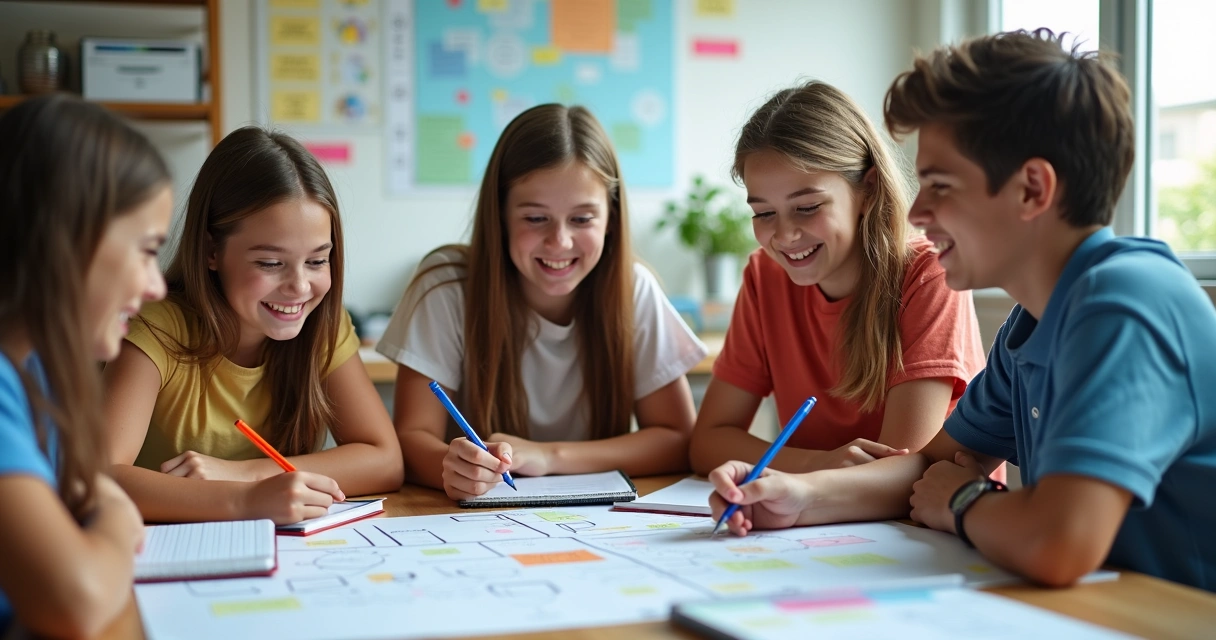
We often see that even when solutions aren’t perfect, being heard and involved makes a lasting difference.
Our section on behavioral science offers background on the psychological roots of these strategies.
7. Encouraging self-compassion and empathy
Building emotional responsibility does not mean expecting perfection. It means recognizing human limits, our own and others’. Encourage teens to forgive themselves, apologize when needed, and practice putting themselves in someone else’s place.
Kindness to self is the foundation for caring for others.
If you wish to deepen this topic, our resources on emotional maturity expand on growth through self-acceptance.
Support systems and safe environments
Practical tools work best when teens know they have safe support. We suggest establishing regular check-ins, shared activities, and open invitations to talk. Model honest emotion-sharing and responsibility within the family or support group. If needed, involve school counselors, mentors, or other trusted adults who respect the teen’s individuality.
Celebrate progress, not perfection. Growth is gradual, with setbacks as part of learning. Support helps teens feel safe to try, stumble, and try again.
For a wider perspective on this developmental journey, see our thoughts on consciousness and personal growth.
Conclusion: A lifelong foundation
Supporting teens in developing emotional responsibility is an ongoing partnership. We have seen that tools like feeling journals, mindfulness, and values reflection build habits that carry far into adulthood. Emphasizing open communication, encouraging self-awareness, and modeling responsible emotional choices all make a lasting impact.
The world teens face is complex, but their capacity for growth is remarkable. With trust, patience, and the right tools, teens learn to meet life’s emotions with clarity and compassion. That’s a future worth shaping, together.
Frequently asked questions
What is emotional responsibility in teens?
Emotional responsibility in teens means recognizing, understanding, and managing their own feelings without blaming others. It involves owning their emotions, using them as helpful signals, and choosing actions that respect both themselves and others.
How can teens improve emotional responsibility?
Teens can improve emotional responsibility by practicing self-reflection, pausing before reacting, and sharing their feelings openly. Tools like feeling journals, mindfulness exercises, and problem-solving together help teens notice patterns and choose responses that fit their values and goals.
What tools help teens manage emotions?
Useful tools include keeping a mood journal, practicing breathing and mindfulness, reframing negative thoughts, and having open conversations with family or mentors. Activities that clarify values and encourage empathy also support emotional management.
Is emotional responsibility important for teenagers?
Yes, emotional responsibility supports healthy decision-making, strong relationships, and self-confidence during teenage years and beyond. It helps teens handle challenges, learn from mistakes, and build resilience.
Where to find resources for teen emotions?
Resources that help teens understand and manage their emotions can be found in online articles, family workshops, school counseling programs, and books focused on adolescent development. Topics like emotional maturity, human values, and behavioral science are especially useful in these resources.