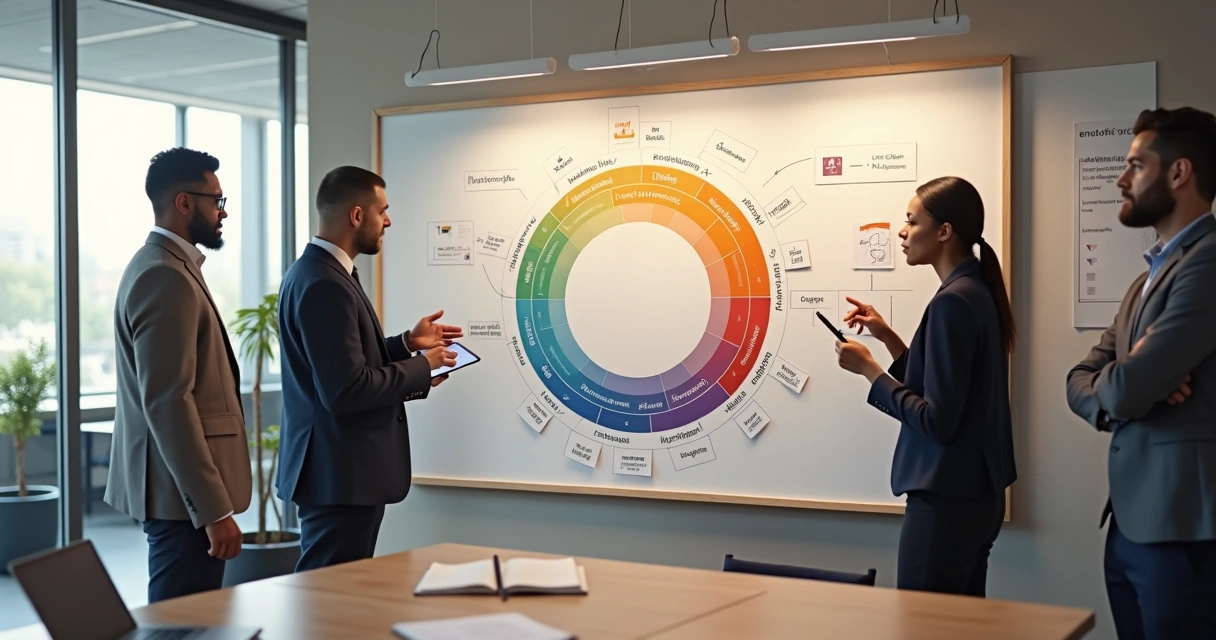
We often treat feedback as a single conversation. A meeting happens, a comment is made, and then we move on. In real work life, that is rarely what happens. Feedback lives inside memory, mood, and meaning. It lands on a person one way today and another way next month. That shift is not random. It follows emotional cycles.
Emotion cycles are repeating patterns of feeling, interpretation, reaction, and recovery that shape how feedback is given, heard, and used over time.
We see this in teams, leadership, and one-on-one conversations. A manager gives calm feedback after a good week, and the employee takes it well. Later, the same message comes after stress, conflict, or fatigue, and the reaction changes. The words may stay close. The emotional setting does not.
That is why feedback should never be read only at the level of content. Tone matters. Timing matters. History matters too.
Why feedback changes across time
Most professionals do not react to feedback based only on what is said. They react through a mix of past experiences, current pressure, self-image, and trust. A person who felt respected in earlier conversations may hear correction as support. Another person, still carrying tension from earlier exchanges, may hear threat even in a careful message.
We think this is where many feedback problems begin. People try to improve the sentence, but ignore the cycle around it.
Feedback has a memory.
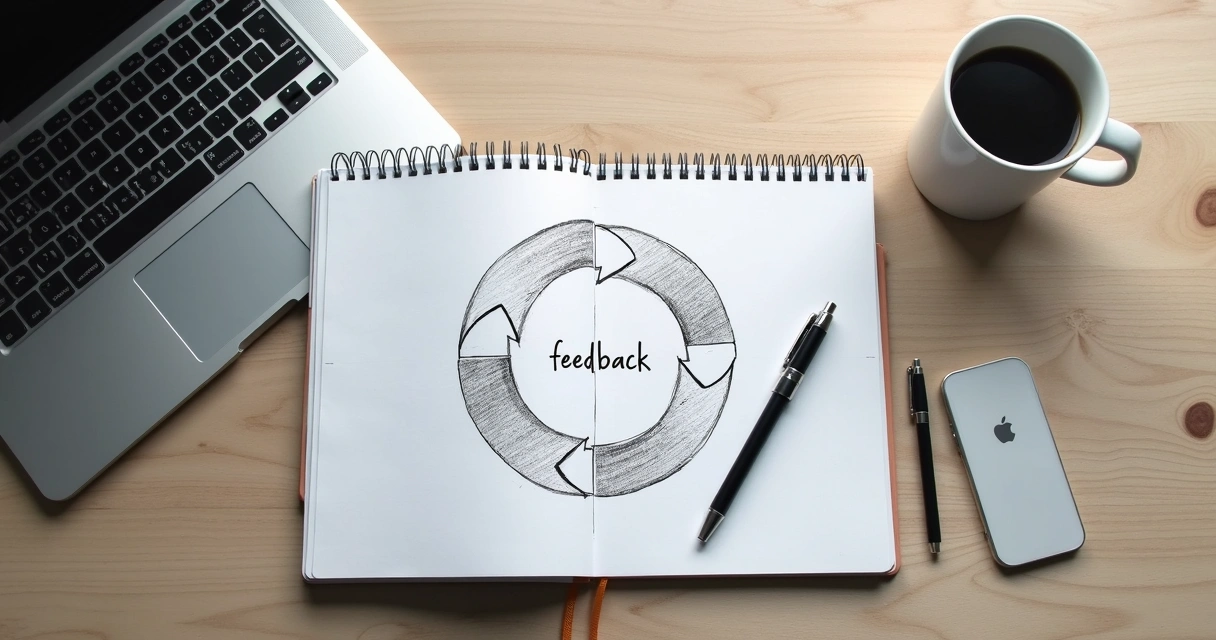
In our experience, emotion cycles in feedback often follow a simple rhythm:
Expectation before the conversation
Emotional impact during the exchange
Private interpretation afterward
Behavior change, resistance, or withdrawal
Return of the pattern in the next feedback moment
If this rhythm repeats without awareness, people build emotional habits around feedback. Some become defensive. Some become dependent on praise. Some stop saying what they really think. Over time, the team may look polite on the surface while trust gets weaker underneath.
For readers who want a wider view of how emotional development affects behavior, our reflections often align with themes found in emotional maturity and behavioral science.
What positive and negative cycles do to feedback
Emotion cycles are not always harmful. Some support learning. Some block it.
A healthy cycle usually starts with enough safety for honesty. The person receives feedback, feels discomfort but not humiliation, reflects, tests change, and later sees progress. That progress then reduces fear in the next conversation. The cycle gets stronger in a good way.
An unhealthy cycle starts with tension or shame. The person hears feedback, narrows attention, protects identity, and focuses more on self-defense than insight. Even useful guidance gets filtered through pain. Then the next meeting begins with more fear than trust.
When feedback triggers shame, people protect themselves first and learn second.
This pattern has support in workplace research. A diary study of employees across nine days found that autonomous motivation was linked to positive emotions and higher job satisfaction, which then supported better performance. Controlled motivation, in contrast, was linked to negative emotions, lower satisfaction, and poorer results. In feedback terms, this means the emotional tone around work affects whether people open up to growth or close down under pressure.

How leaders and teams reinforce these cycles
No one creates these emotional loops alone. Teams train each other, often without noticing. If a workplace praises only perfect results, feedback starts to feel like exposure. If leaders avoid hard conversations until frustration builds, each feedback moment comes loaded.
We have seen this happen in very ordinary ways. A supervisor delays a conversation for three weeks. By the time the talk happens, the issue is no longer just about one missed step. It carries silence, guesswork, and irritation. The employee enters the room already tense. The cycle begins before anyone speaks.
There are also group effects. A two-wave study across 166 work units found that high-intensity positive emotions helped connect leadership behavior to proactive action, and collective emotional affectivity predicted gains in group satisfaction and commitment over time. We read this as a strong reminder that feedback is never only personal. Team emotion shapes whether people move toward initiative or retreat into caution.
That is why we should pay attention to shared atmosphere, not just individual skill. Subjects connected to consciousness and human values help frame this wider responsibility.
How to interrupt a harmful pattern
Once we notice a negative cycle, the goal is not to remove emotion. That would be unreal. The goal is to make emotion readable, manageable, and less reactive.
We suggest a few practical moves.
Name the timing. If stress is high, say so plainly and shorten the scope of the conversation.
Separate behavior from identity. Speak about actions, effects, and choices, not personal worth.
Track repetition. Ask whether this reaction appears often after feedback, and what tends to trigger it.
Return after reflection. Some feedback needs a second conversation, once the first emotional wave has passed.
Close with one next step. Too many demands turn feedback into overload.
These steps sound simple because they are simple. The hard part is consistency. We need to do them again and again until the emotional memory of feedback changes.
Better feedback is not just clearer language. It is a steadier emotional pattern.
What professionals can watch in themselves
We all have preferred emotional positions in feedback. Some of us rush to explain. Some go quiet. Some agree too fast and later resist in private. These reactions are data. They show us how our inner cycle works.
It helps to watch for signs such as:
Tight body tension before review meetings
Strong need to defend small details
Delayed anger after polite conversations
Drop in motivation after unclear criticism
Dependence on praise before taking action
When we notice these signs early, we gain room to respond with more maturity. Not perfection. Just more choice. That is often enough to change the next cycle.
Readers who enjoy following ongoing reflections from our editorial voice may also appreciate pieces gathered under the Team Mindful Breathing Zone author page.
Conclusion
Professional feedback does not happen in a vacuum. It moves through emotion, and emotion moves in cycles. Over time, those cycles can build trust, courage, and learning, or they can create fear, withdrawal, and repeated misunderstanding.
We believe the wise approach is to treat feedback as a process with emotional memory. When we notice patterns across weeks and months, we stop asking only, "Was the feedback correct?" and start asking, "What cycle did this conversation strengthen?" That question changes the quality of leadership, teamwork, and self-awareness.
If we follow the cycle with honesty, we can change it. Slowly. Clearly. For good.
Frequently asked questions
What are emotion cycles in feedback?
Emotion cycles in feedback are repeating emotional patterns that shape how people expect, receive, interpret, and respond to feedback over time. They include anticipation before the talk, the first reaction during it, the meaning given afterward, and the behavior that follows.
How do emotions affect professional feedback?
Emotions affect attention, tone, memory, and openness. Positive states can make people more reflective and willing to change. Negative states, especially shame or fear, can narrow focus and push people toward defense, silence, or resistance.
Can emotion cycles improve feedback quality?
Yes, emotion cycles can improve feedback quality when they build safety, trust, and steady reflection across repeated conversations.
When people expect respect and clarity, they are more likely to hear difficult messages without shutting down. Over time, that creates stronger learning and more honest dialogue.
How to manage emotions during feedback?
We can manage emotions during feedback by slowing the pace, naming stress when it is present, focusing on specific behaviors, and allowing space for reflection. It also helps to return for a second conversation if the first emotional reaction was too strong for real listening.
Why track emotion cycles over time?
Tracking emotion cycles over time helps us see patterns that a single meeting hides. It shows what triggers trust, defensiveness, withdrawal, or growth. With that view, teams and leaders can change the conditions around feedback, not just the wording inside one conversation.